Perfect walls start with ideal conditions.
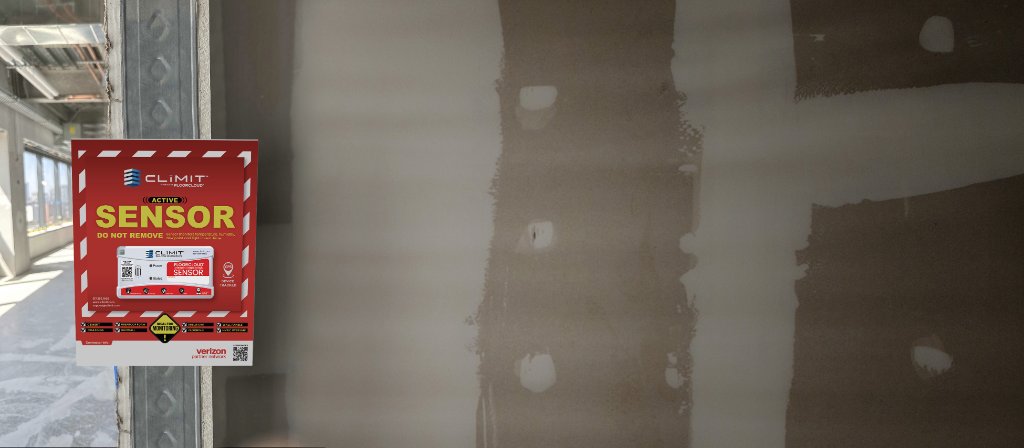
Joint compound cure rate, tape adhesion, and finish quality all depend on temperature, humidity, and dew point. CLīMIT monitors all three continuously, so you finish on time, every time, with zero rework.
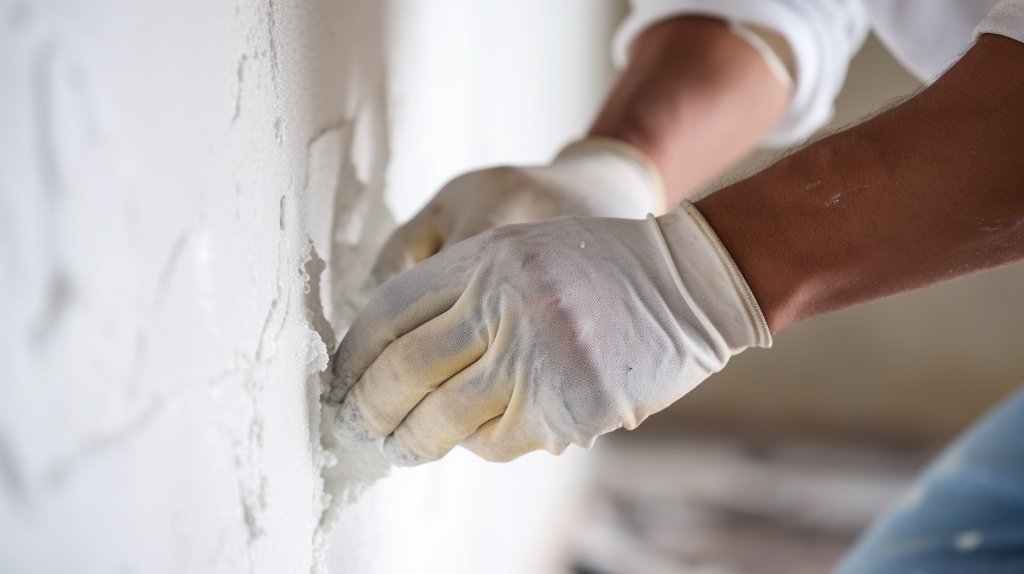

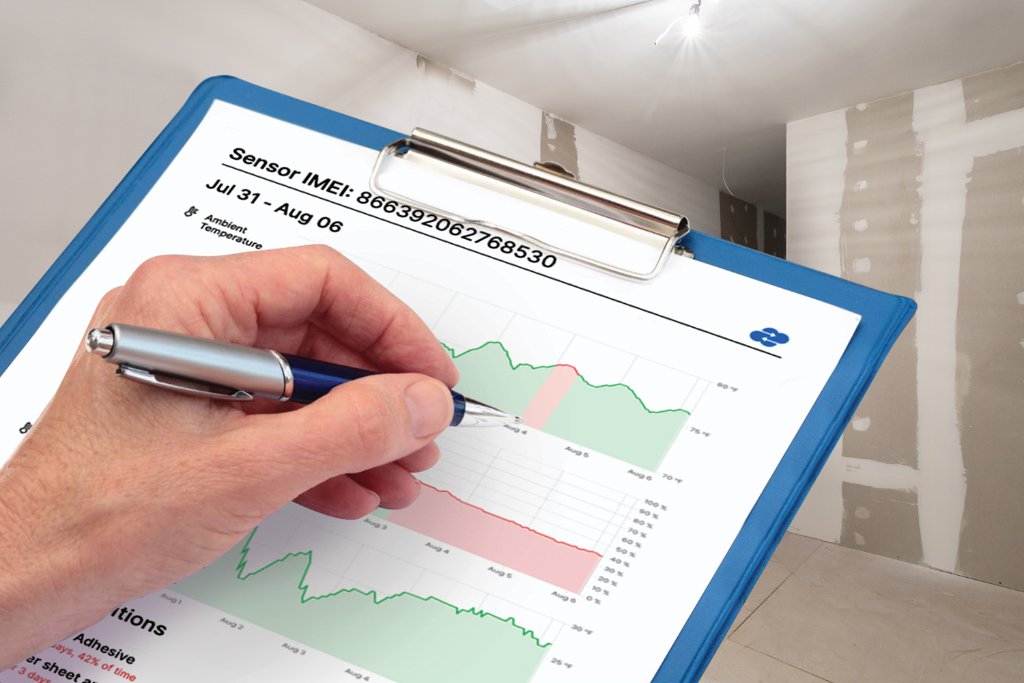
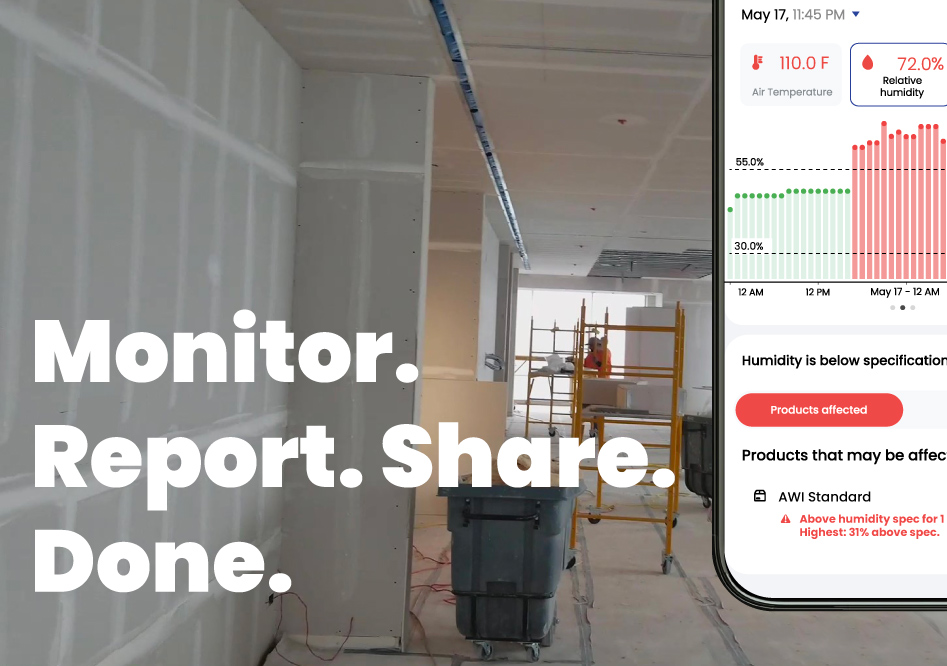
Every drywall finish problem traces back
to one of these two factors.
Professional drywall finishers know that conditions matter more than skill. Monitor both continuously and you eliminate the #1 cause of rework.
Temperature
Joint compound and tape adhesive require specific temperatures to cure properly. Installing and finishing drywall in cold conditions dramatically slows or prevents compound cure, while excessive heat can cause it to dry too fast, creating weak bonds, cracks, and poor finishing results.
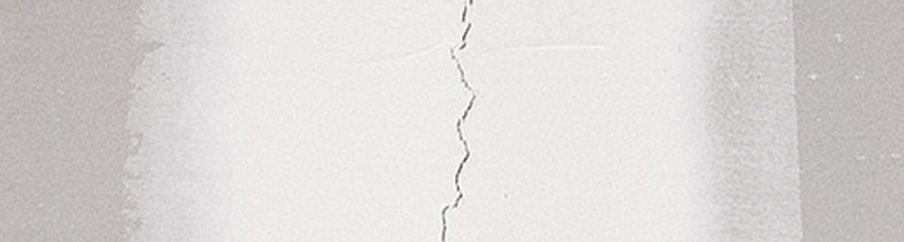
Common Failure Modes
Typical Manufacturer Ranges
* Always verify specific requirements with your joint compound and primer manufacturers.
Relative Humidity
Joint compound performance is highly dependent on humidity. In low humidity, compound dries too fast and becomes brittle; in high humidity, it dries too slowly and fails to bond properly. Drywall itself also absorbs moisture, which weakens the paper facing and compromises structural integrity.
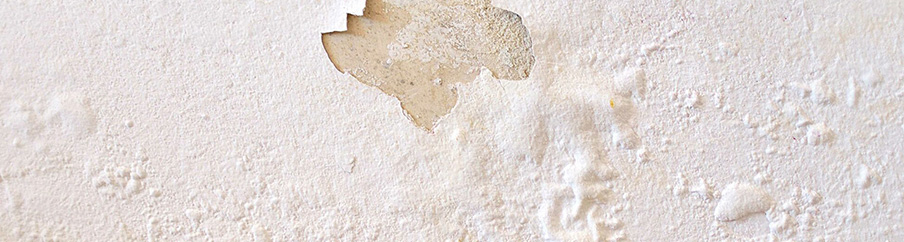
Common Failure Modes
Typical Manufacturer Ranges
* Always verify specific requirements with your joint compound and primer manufacturers.
What's at stake when you don't monitor.
Costly Rework
Failed drywall finishing requires sanding, mudding, and repainting, often requiring complete wall redoing and costing 2–3× the original work.
Project Delays
Improper conditions force you to stop work and wait for conditions to stabilize, delaying entire project schedules and downstream trades.
Extended Cure Times
Working in marginal conditions requires extended drying time between coats, pushing projects weeks past their scheduled completion.
Quality Issues
Walls finished in poor conditions show defects that become apparent during painting, requiring costly corrections and damaging contractor reputation.
Drywall contractors trust CLīMIT on every job.
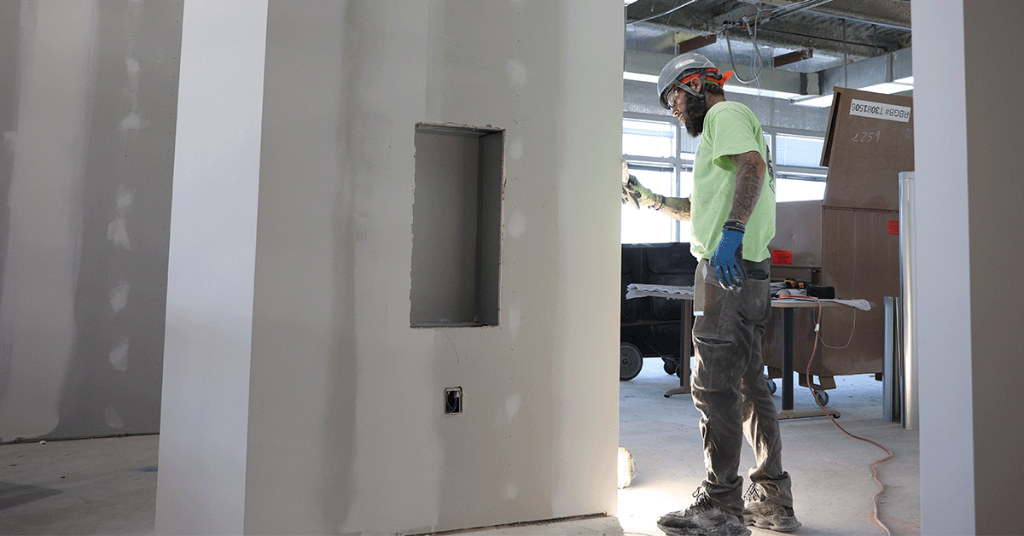
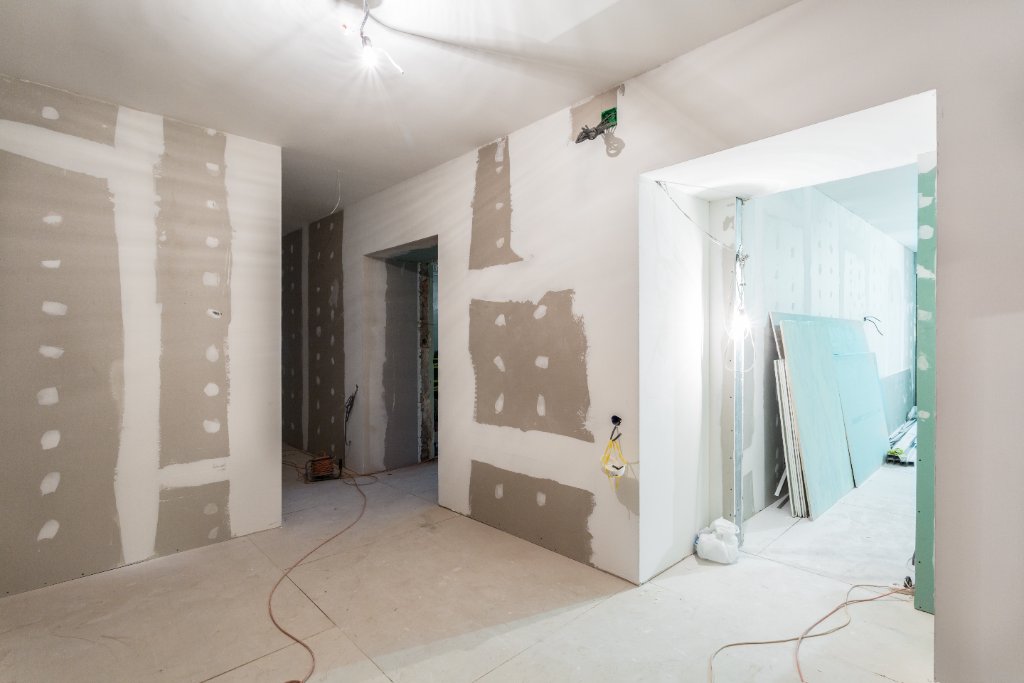
Built for drywall contractors.
Trusted by the best in the business.
Stop fighting conditions. Start managing them.
See how CLīMIT helps drywall contractors finish on time, every time, with zero rework.