Protect your equipment before it ever powers on.
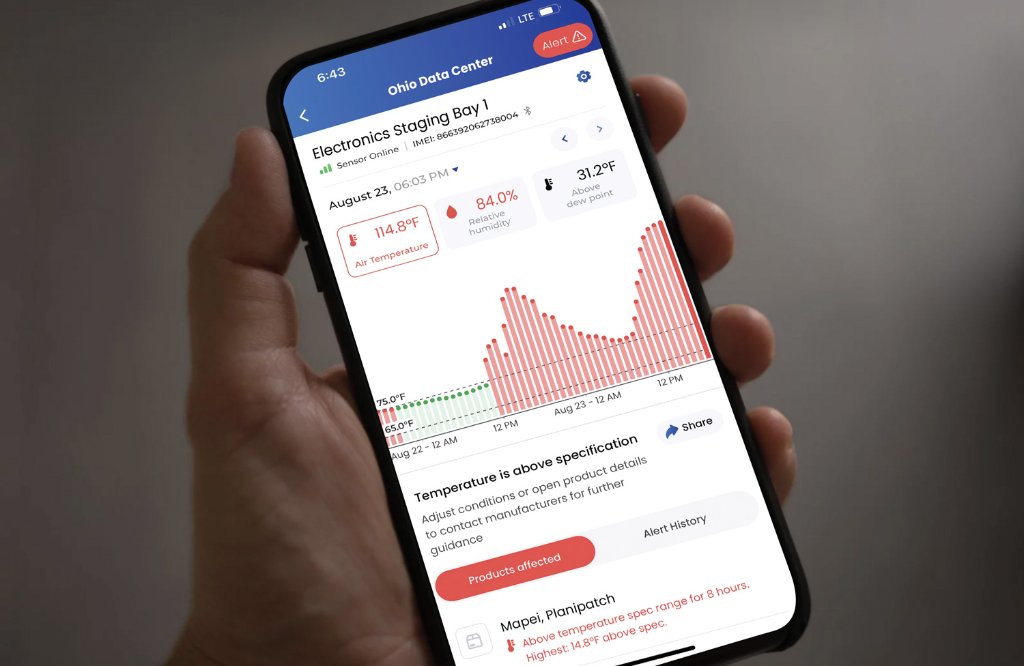
High-value electrical equipment sits on data center jobsites for months before installation. Humidity, temperature swings, and condensation cause corrosion and insulation damage that only shows up when you energize. CLīMIT monitors conditions continuously so you have proof, and protection.
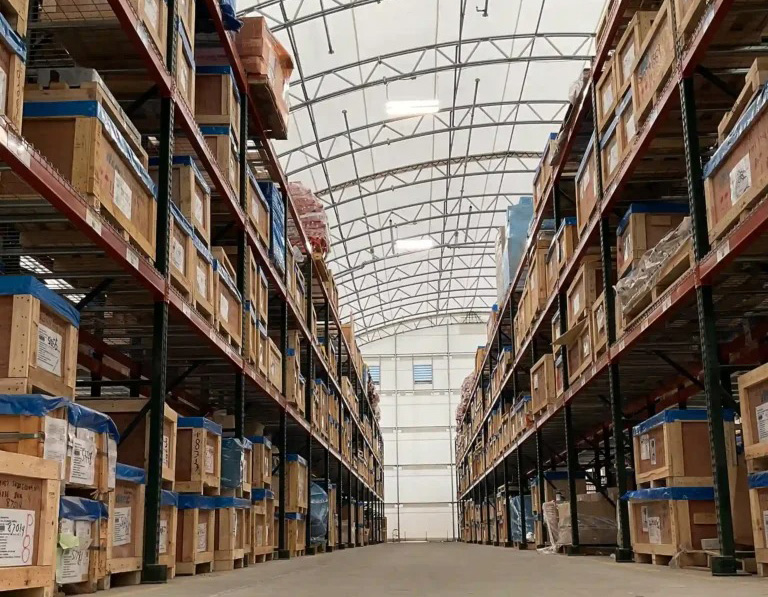
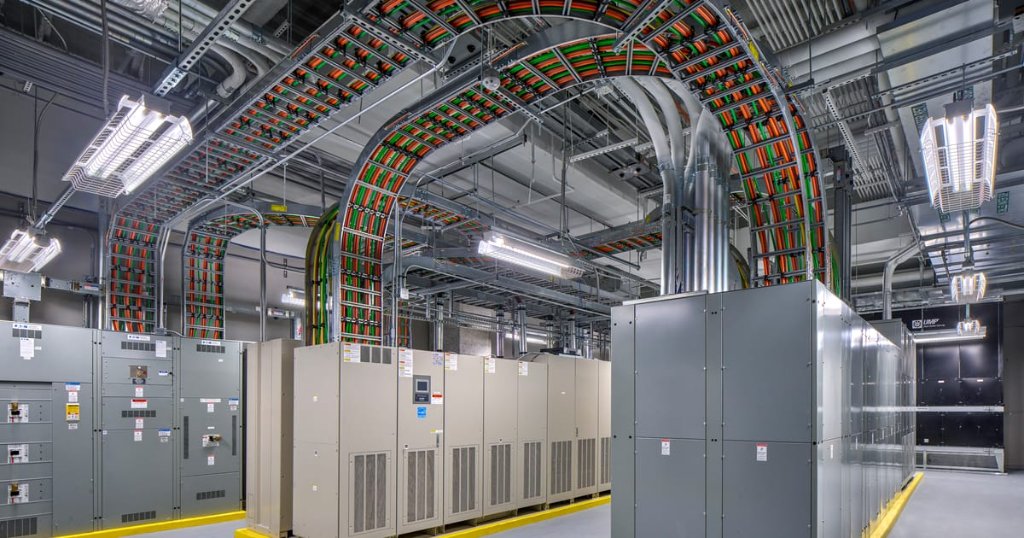
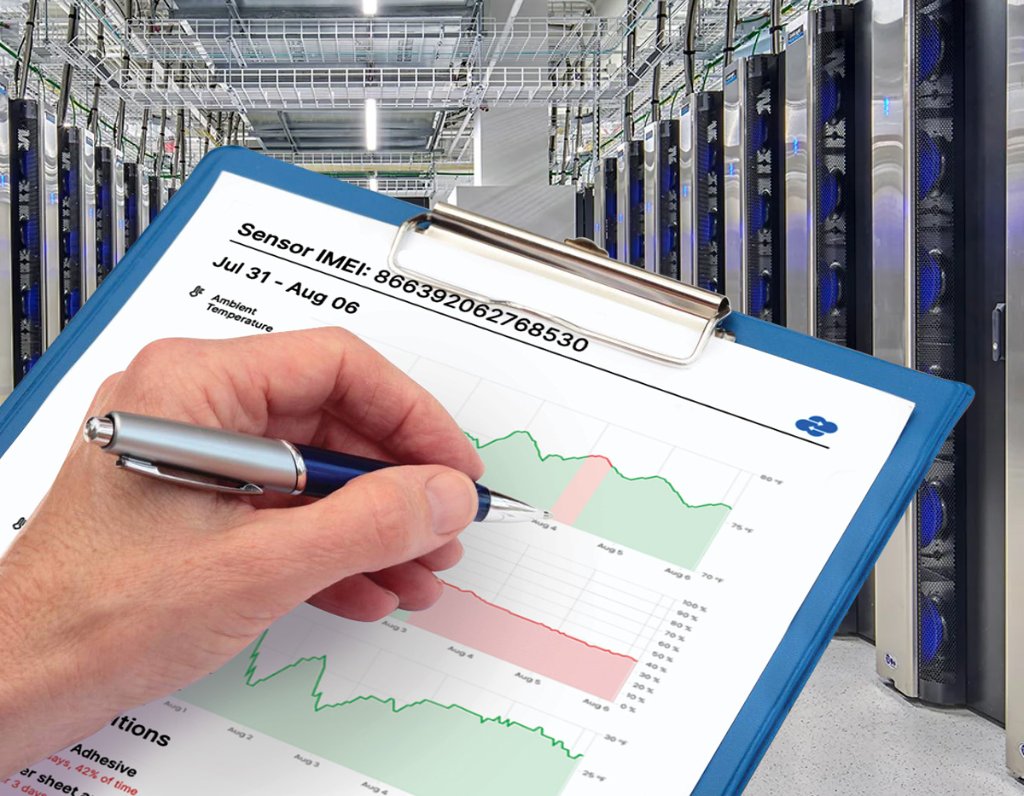
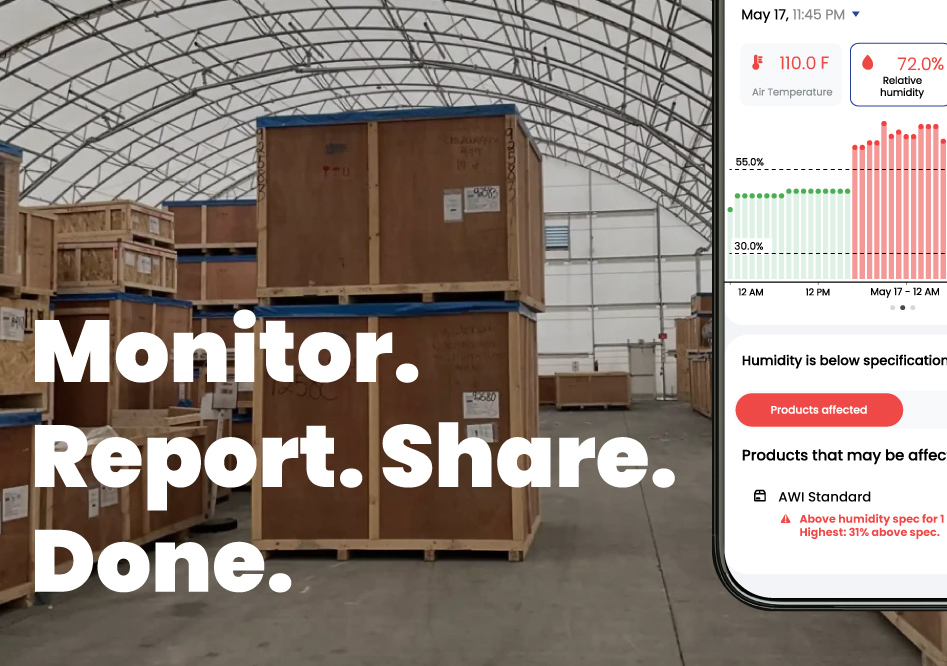
The equipment arrives months before the conditions are controlled.
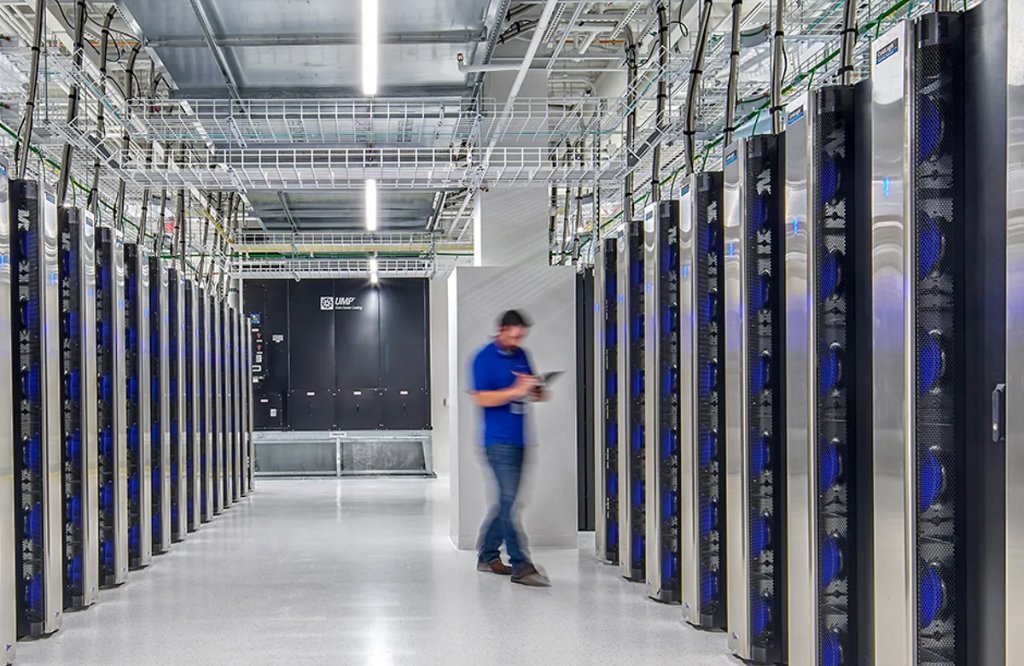
Data center construction involves the longest gap between equipment delivery and energization of any building type. That window is where damage happens.
High-Value Equipment Stored On Site for Months
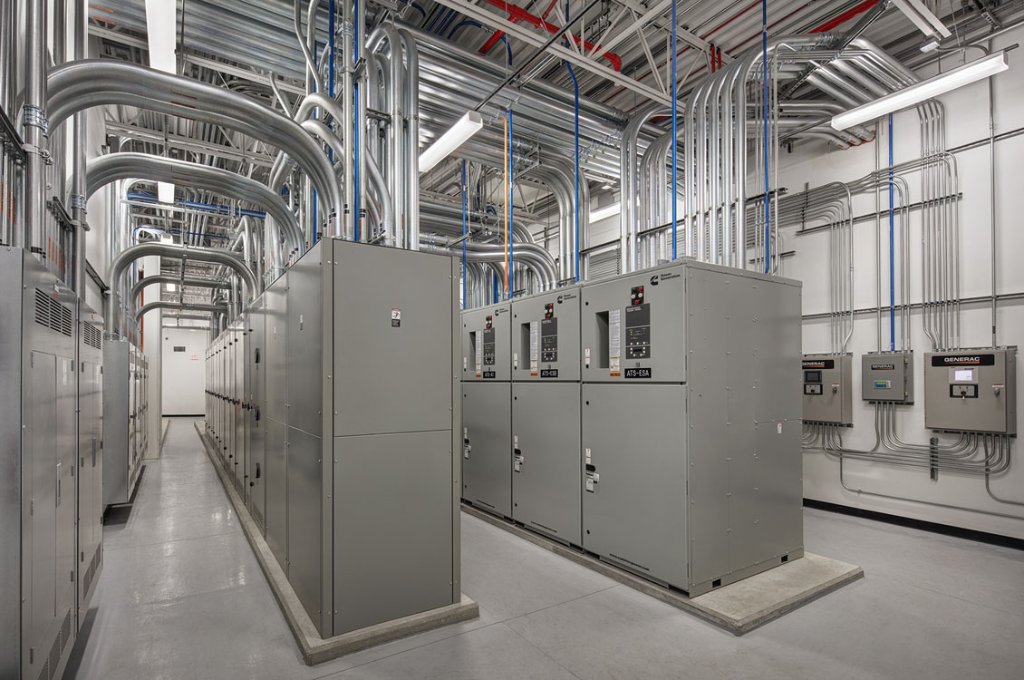
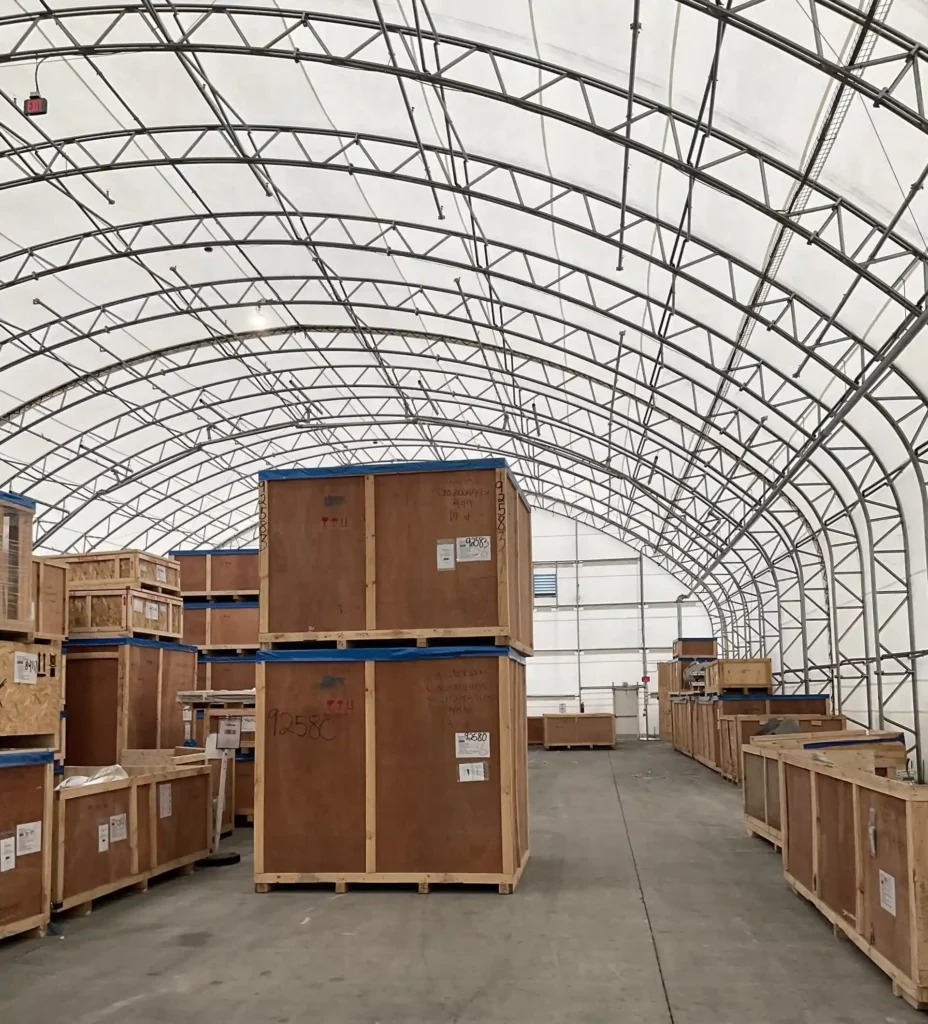
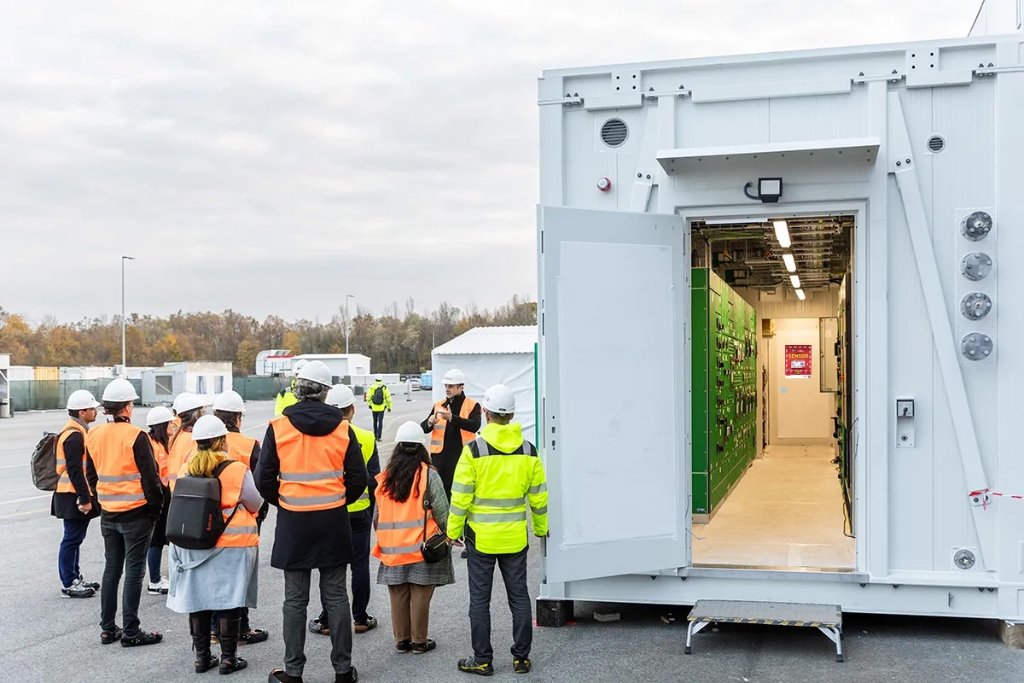
Switchgear, transformers, bus ducts, UPS systems, and MV/LV panels are often delivered to the jobsite months before installation. These assets can represent millions of dollars in equipment sitting in partially enclosed spaces with no climate control — exposed to temperature swings, dust, and humidity every day.
Common Failure Modes
Storage and Handling Requirements
* Always verify specific requirements with your equipment manufacturer's installation and storage manual.
Humidity and Corrosion During Activation
The moment power is energized, any moisture trapped inside electrical equipment becomes a serious hazard. Corrosion on terminals and bus bars causes arc flash events, insulation breakdown, and equipment failure at startup. Problems that went undetected during storage become catastrophic during commissioning.
Common Failure Modes
Storage and Handling Requirements
* Always verify specific requirements with your equipment manufacturer's installation and storage manual.
Temperature Extremes During Long-Term Storage
Cold weather causes thermal contraction that cracks gaskets, stresses enclosures, and allows moisture to migrate inside. Heat causes lubricants to break down, plastic components to warp, and electronic control boards to degrade. Equipment stored through a full winter or summer on a jobsite is at risk without monitoring.
Common Failure Modes
Storage and Handling Requirements
* Always verify specific requirements with your equipment manufacturer's installation and storage manual.
Warranty and Liability Protection
Equipment manufacturers require documented proof of proper storage conditions to honor warranty claims. Without timestamped environmental logs, any failure during commissioning can be attributed to improper storage, shifting the liability to the electrical contractor. A simple monitoring record is your best protection.
Common Failure Modes
Storage and Handling Requirements
* Always verify specific requirements with your equipment manufacturer's installation and storage manual.
Electrical contractors trust CLīMIT on every job.
The cost of not monitoring.
Equipment Replacement Costs
A single transformer or switchgear unit damaged by moisture or corrosion can cost $50,000 to $500,000 to replace, plus months of lead time that derail the entire project schedule.
Activation Failures
Energizing moisture-compromised equipment can cause arc flash, ground faults, and breaker trips, requiring full inspection, repair, and re-testing before the building can be commissioned.
Project Schedule Delays
Equipment failures discovered at commissioning push back every downstream trade, the owner move-in date, and the certificate of occupancy, generating cascading delay claims.
Voided Warranties and Liability
Without documented storage conditions, manufacturers deny warranty claims and liability falls on the electrical contractor, regardless of who was actually responsible for the site.
Know what conditions your equipment
was exposed to. Every day. Every hour.
Protect your equipment from the day it arrives.
See how CLīMIT helps electrical contractors on data center projects monitor storage conditions, prevent corrosion damage, and build the documentation needed to protect warranties and defend against liability.