Build it right. No callbacks. No claims.
Healthcare construction has zero margin for environmental failures. Temperature, humidity, and dew point determine whether your installation holds or becomes a six-figure liability after occupancy. CLīMIT monitors them all, continuously.
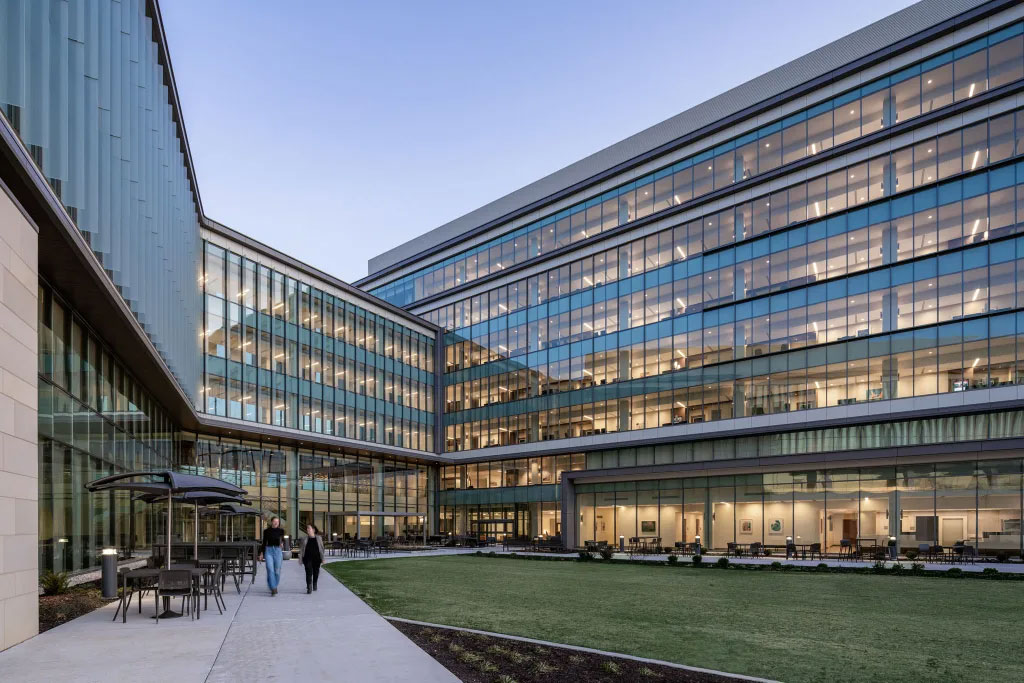
UW Health Eastpark Medical - Madison, WI
"Climit gives us the ability to go to the general contractor with critical information and the need to meet technical specifications."
Andrew Conklin
Project Manager, M. Frank Higgins & Co.
Healthcare facilities have the highest
cost of construction failure.
Unlike commercial construction, failures in a healthcare environment trigger regulatory scrutiny, infection control responses, and patient safety reviews, on top of the standard remediation costs.
Temperature Failures During Construction
Healthcare facilities require precise thermal control, not just after opening, but throughout the entire construction and fit-out process. Flooring, wall systems, ceiling tiles, and medical-grade adhesives all have strict temperature requirements during installation. Installing in out-of-spec conditions causes premature failures that show up weeks or months later, long after the GC has left.
Humidity & Moisture — The Silent Risk
Hospitals, surgery centers, and clinics have zero tolerance for moisture problems post-occupancy. Mold, mildew, and moisture intrusion in a healthcare environment aren't just costly to remediate. They can trigger regulatory inspections, infection control shutdowns, and patient safety events. Every moisture-related failure during construction is a preventable liability.
Dew Point & Hidden Condensation
Healthcare construction often involves installing finished surfaces over concrete slabs in poorly controlled spaces. If the slab surface temperature is at or below the dew point, invisible condensation forms which can be a bond breaker when installing adhesives, primers and coatings.
Callbacks in Healthcare Cost More
Returning to a functioning healthcare facility to remediate a flooring or wall failure isn't a simple fix. It requires infection control protocols, scheduling around patient care, regulatory coordination, and specialized cleaning. A callback that costs $10,000 in a commercial building can cost $100,000+ in an occupied hospital wing.
Environmental risk doesn't stop when the walls go up.
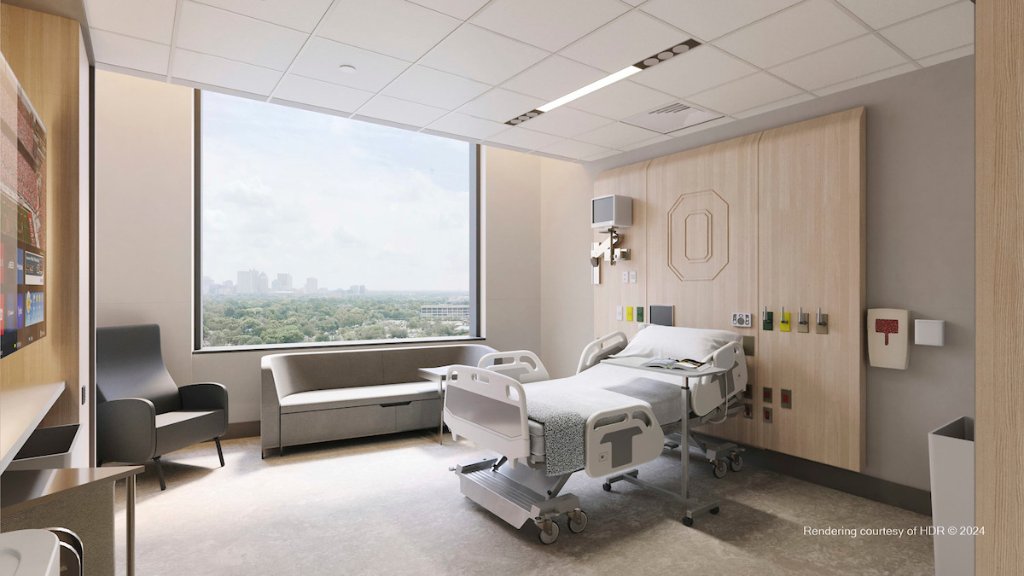
OSU Wexner Medical Center - Columbus, OH
Shell & Core / Rough-In
Concrete pours, waterproofing, and mechanical rough-in introduce significant moisture. Monitoring from day one creates a baseline environmental record and ensures subfloor conditions are documented before any finishes are installed.
Interior Fit-Out
Flooring, wall panels, ceilings, and casework installations all require controlled temperature and humidity. CLīMIT tracks conditions continuously so you know the moment something drifts out of spec, before materials are compromised.
Medical Equipment & Finishes
Sensitive medical equipment, antimicrobial coatings, and sterile surface finishes require stable environmental conditions. Dew point monitoring is critical here. Condensation on finished surfaces or equipment can cause immediate failure.
Commissioning & Turnover
Deliver a complete environmental history to the owner, commissioning agent, and insurance underwriter. Timestamped, sensor-verified proof that conditions were maintained throughout the build, your best defense against future claims.
Know the requirements. Document compliance.
Typical Environmental Requirements — Healthcare Construction
* Always verify the specific requirements in your product's technical data sheet.
Built for high-stakes construction. Trusted by contractors who can't afford to guess.
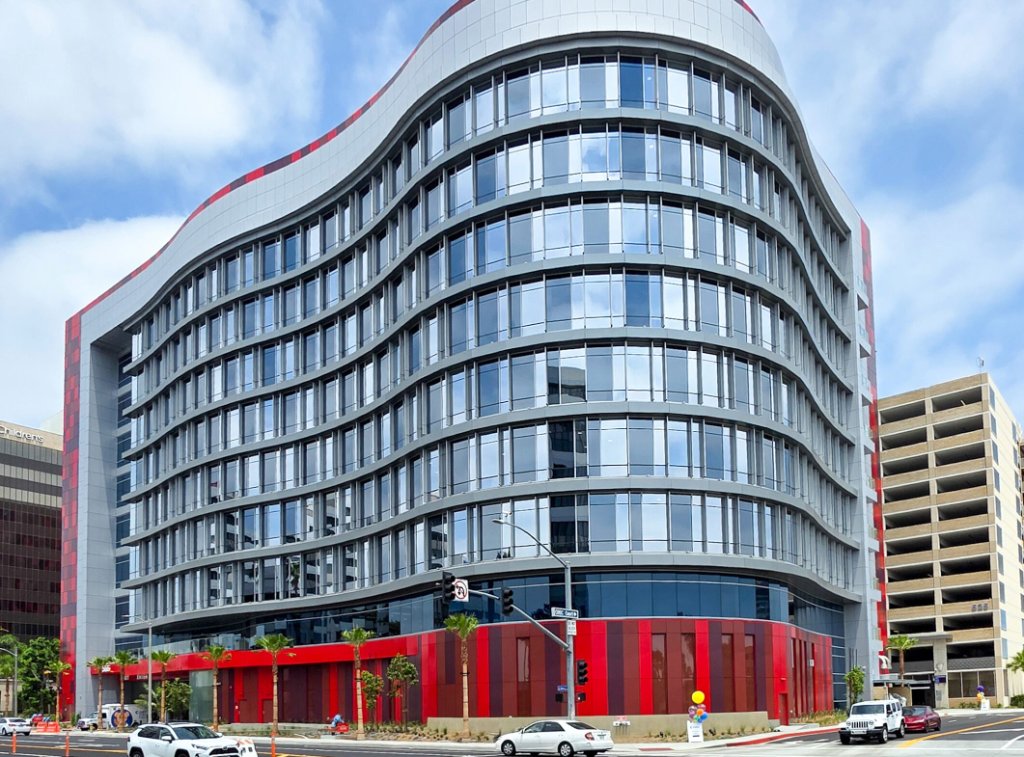
Children's Hospital Southwest Tower - Orange, CA
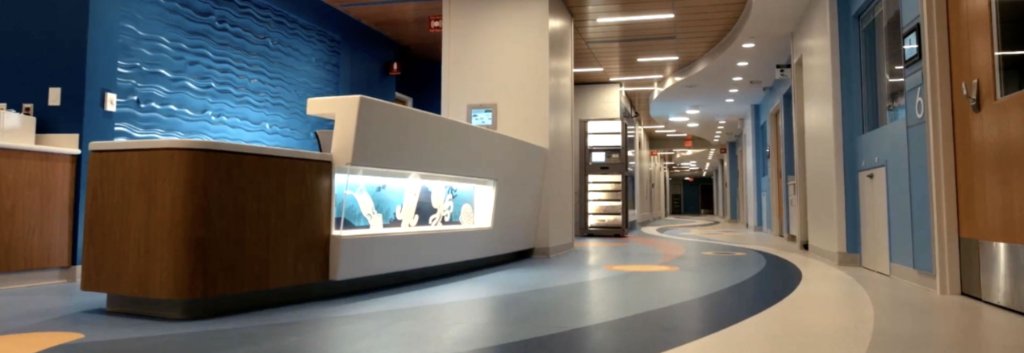
St. Judes Children's Hospital - Memphis, TN
One prevented callback pays for CLīMIT many times over.
In healthcare construction, the cost of a single environmental failure, flooring remediation, mold mitigation, or a warranty dispute, can easily exceed $100,000. CLīMIT's continuous monitoring costs a fraction of that, and delivers the documentation that protects every party in the project chain: GC, sub, owner, and insurer.
Stop guessing. Start protecting.
See how CLīMIT helps healthcare construction teams eliminate callbacks, protect warranties, and deliver facilities that hold.