See the hazard before it happens.
CLīMIT monitors ambient light levels on your jobsite in real time, so you always know when conditions fall below OSHA standards and pose a safety risk.
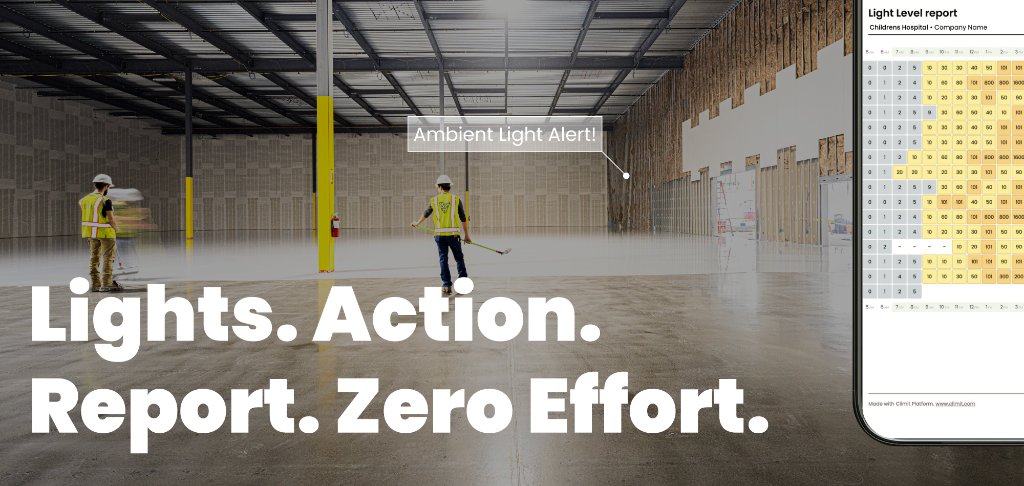
Poor lighting is a preventable hazard.
According to OSHA, inadequate illumination is consistently cited among the top contributing factors to construction accidents. It's not just a comfort issue. It's a compliance and liability issue.
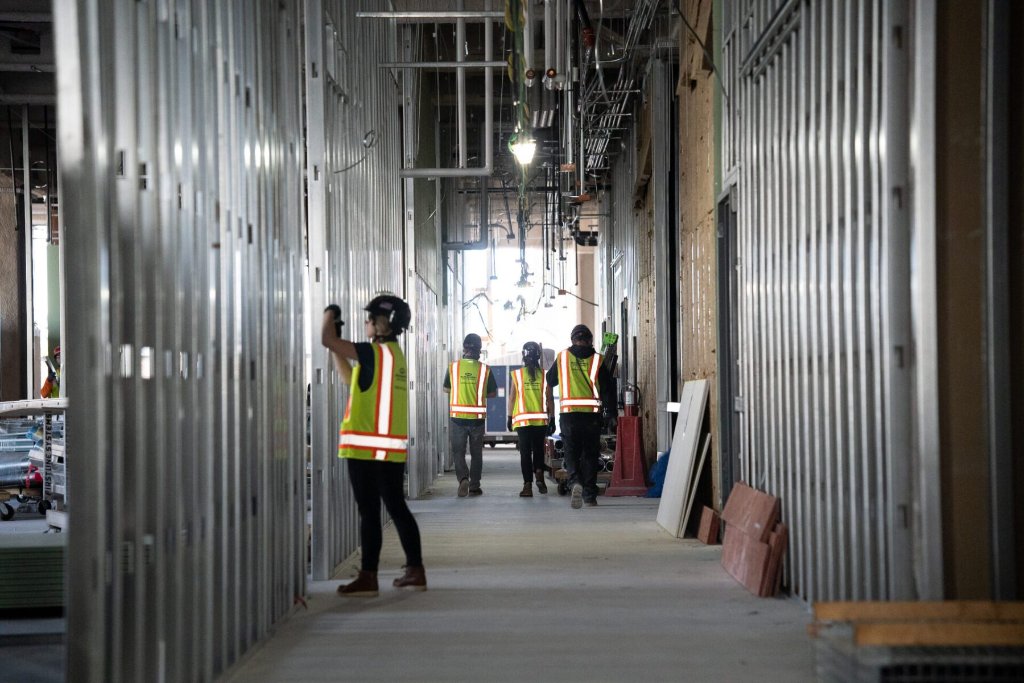
Slip, Trip & Fall Hazards
Poor lighting is a leading contributor to slips and trips on jobsites. Workers cannot avoid obstacles, uneven surfaces, or floor hazards they simply cannot see.
Eye Strain & Fatigue
Workers forced to operate in dim conditions experience increased eye strain, headaches, and mental fatigue. This reduces focus and increases error rates.
Increased Injury Risk
Inadequate lighting raises the risk of tool-related injuries, misread measurements, and improper installations that create long-term structural issues.
OSHA Citations & Liability
Failing to meet OSHA illumination standards exposes contractors to fines, citations, and significant liability in the event of a workplace incident.
Know the rules. Stay compliant.
OSHA standard 29 CFR 1926.56 establishes minimum illumination requirements for construction worksites. Here's what you need to know.
Construction Illumination Standard
OSHA requires a minimum of 5 foot-candles (fc) for general construction areas, warehouses, and workplace corridors.
Task-Specific Minimums
First aid stations, infirmaries, and offices require 30 fc. General construction areas require 5 fc. Excavation and waste areas require 3 fc.
Electrical Work Areas
Electrical work panels and equipment areas require adequate illumination for safe operation and inspection. Typically 50 fc or more.
OSHA Minimum Illumination Requirements (29 CFR 1926.56)
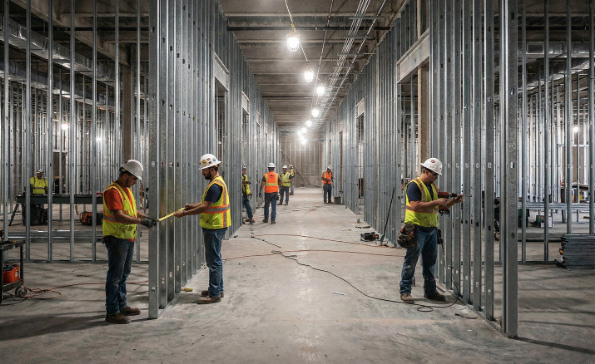
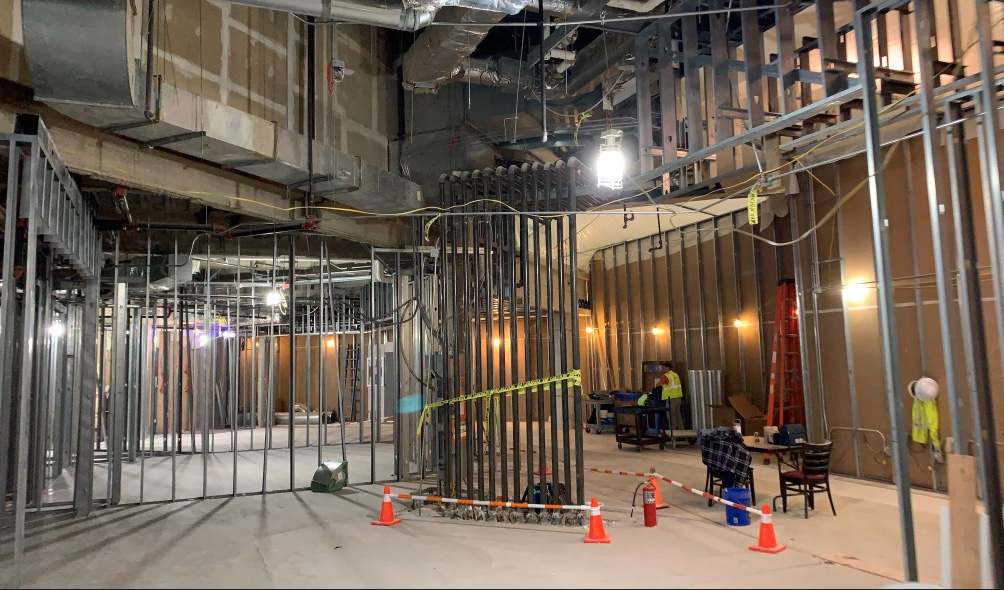
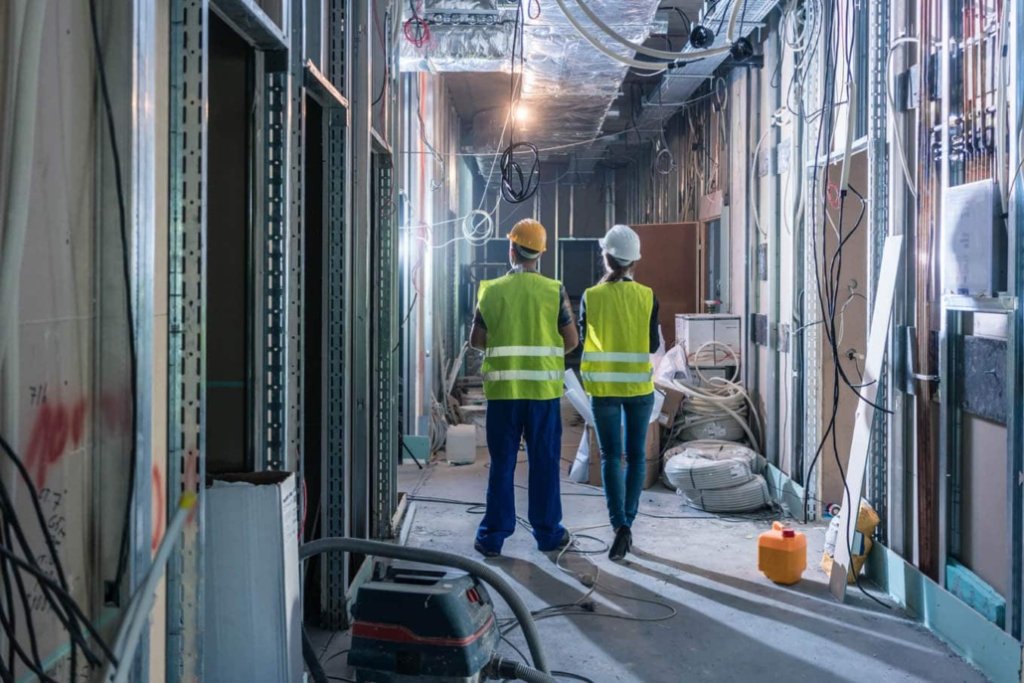
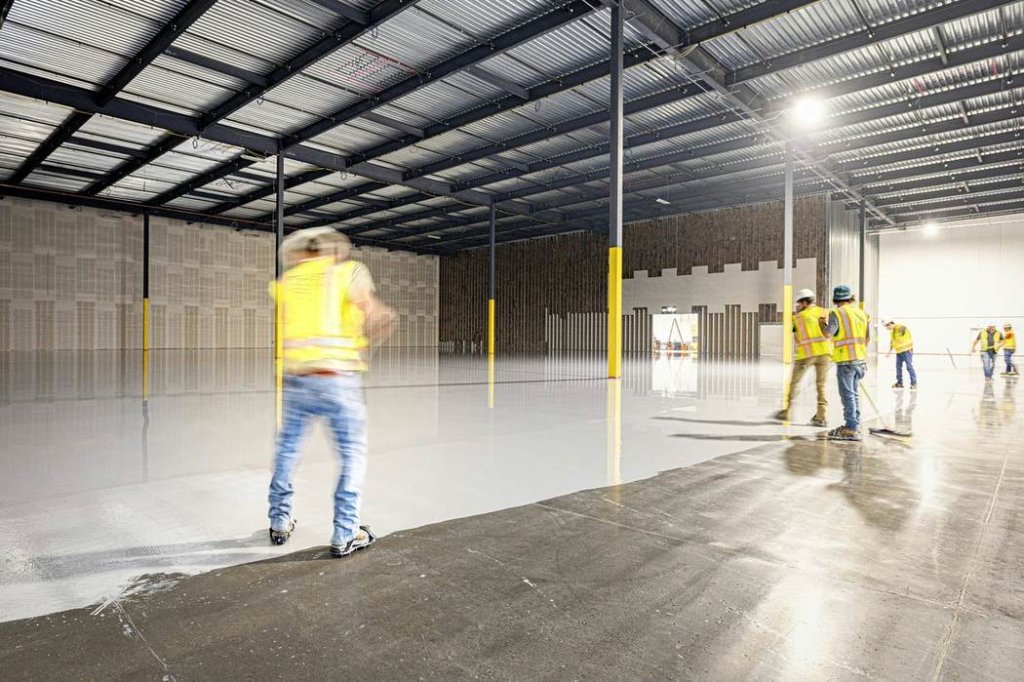
Light monitoring across diverse jobsites.
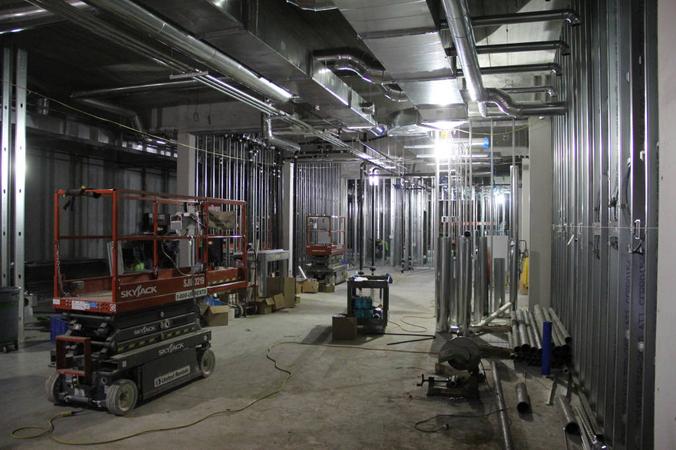
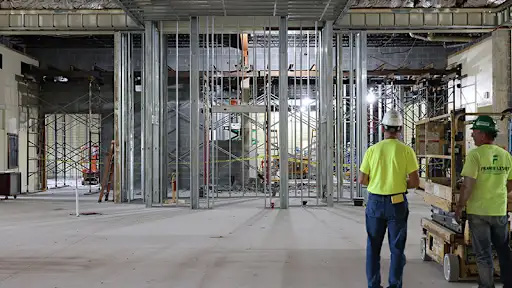
Continuous light monitoring, zero effort.
Stay compliant. Stay safe.
See light level monitoring in action. Book a demo with the CLīMIT team today.