Perfect millwork starts with proper conditions.
Temperature, humidity, and dew point determine whether your millwork installations last decades or fail within months. CLīMIT monitors all three, continuously, so you always know conditions are ideal before you start work.

John Deere - Chicago, IL
"As a new user, the Climit system is easy to use and provides a peace of mind that jobsite conditions are within spec for our millwork. Climit is a solution that every AWI member should seriously consider to help protect the profitability of their businesses!"
Samantha Parenti Gurrola
Project Executive, Parenti & Raffaelli, LTD
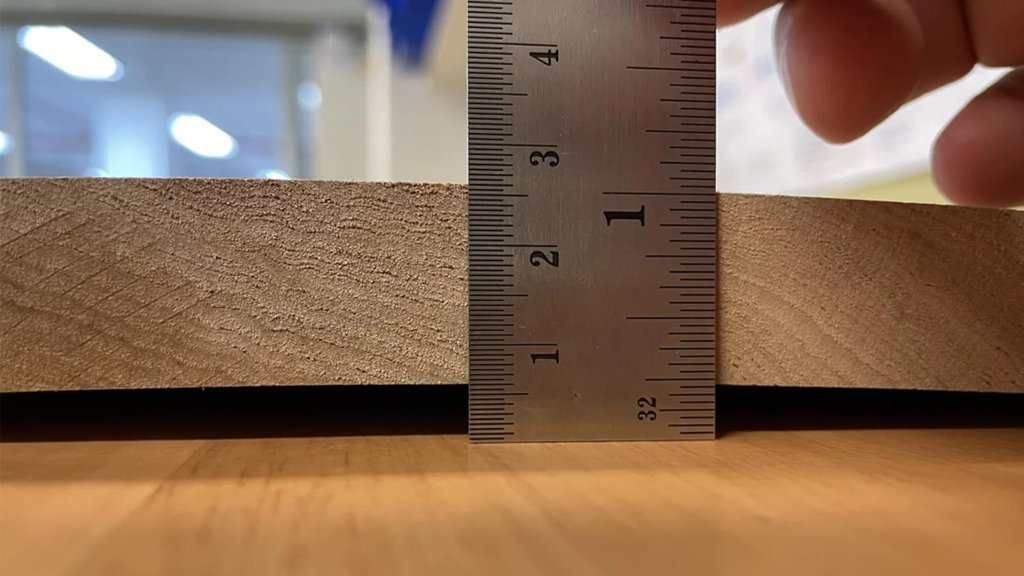

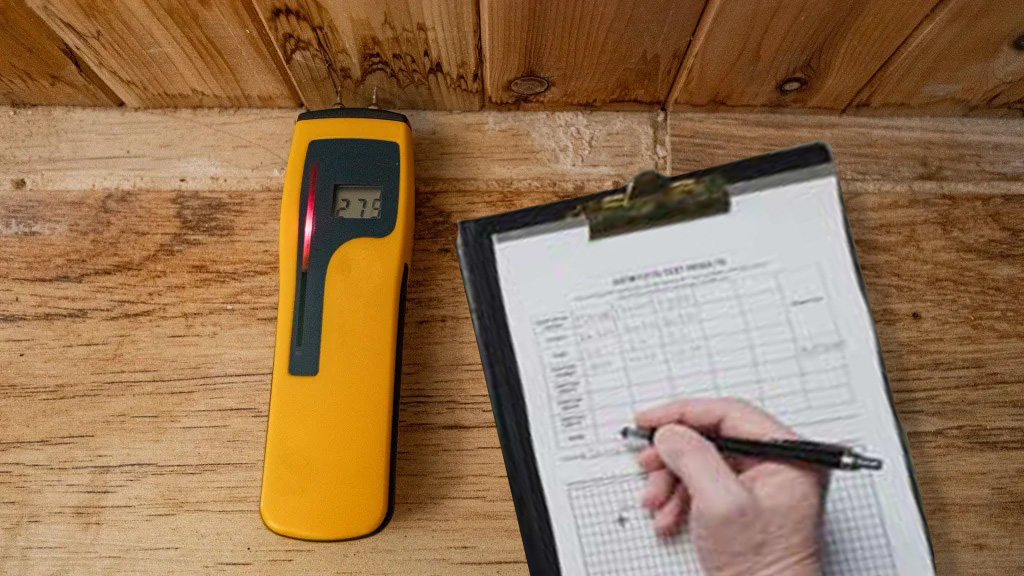
Every millwork failure traces back
to one of these three factors.
Most millworkers check temperature. The best ones monitor all three conditions, continuously, and have the data to prove it.
Temperature
Millwork materials including solid wood, veneer, composite, and laminated products expand and contract with temperature changes. Installing in temperatures outside spec ranges causes joints to gap, finishes to crack, and doors/drawers to bind or misalign.
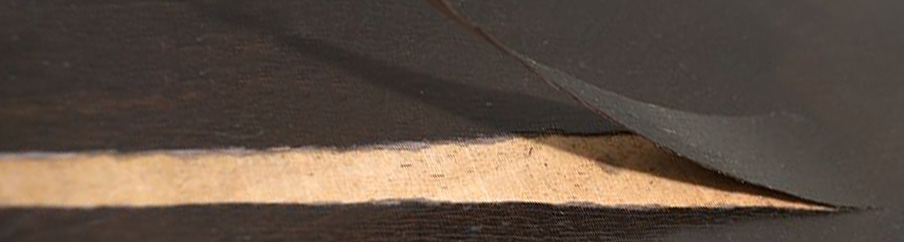
Common Failure Modes
Typical Manufacturer Ranges
* Always verify specific requirements in your project's millwork specifications.
Relative Humidity
Humidity is the #1 factor affecting wood stability. Wood absorbs and releases moisture based on surrounding RH, causing it to swell or shrink. Installing millwork in the wrong humidity, or leaving it to acclimate in unstable conditions, guarantees failure: gapping, cupping, warping, and binding.
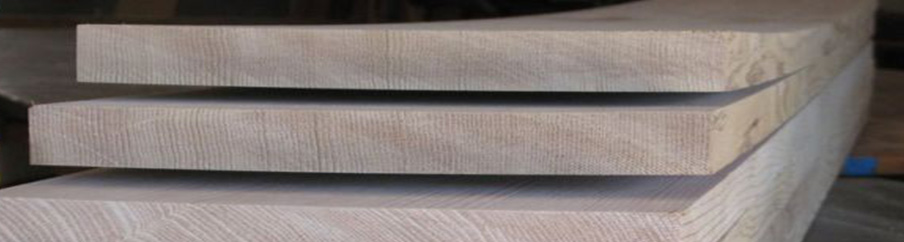
Common Failure Modes
Typical Manufacturer Ranges
* Always verify specific requirements in your project's millwork specifications.
Dew Point
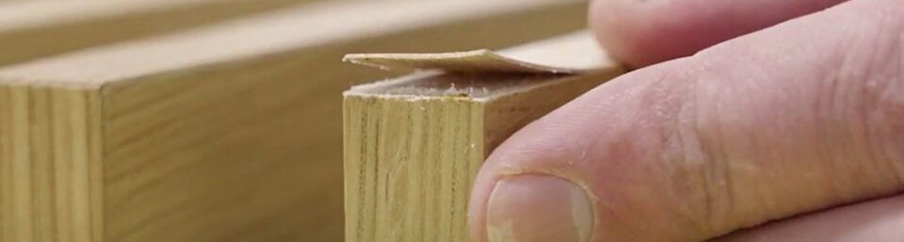
Dew point is critical for finishing and adhesive work. If wood surface temperature falls below dew point, invisible condensation forms and instantly compromises stain, paint, and adhesive bonds. Most millwork failures trace back to dew point violations during finishing.
Common Failure Modes
Typical Manufacturer Ranges
* Always verify specific requirements in your project's millwork specifications.
What's at stake when you don't monitor.
Costly Rework
Millwork failures often require complete removal and reinstallation, costing 2–3× the original contract value in labor and materials.
Voided Warranties
Millwork manufacturers explicitly void warranty if installation or finishing occurs outside documented conditions. Without proof, you absorb the cost.
Project Delays
Failure to acclimate materials properly or monitor conditions causes delays as you wait for conditions to stabilize or rework defects.
Reputation Damage
Millwork is visible and permanent. A failed installation with gapped joints or warped doors is immediately apparent and damages your credibility.
Where CLīMIT has been at work.
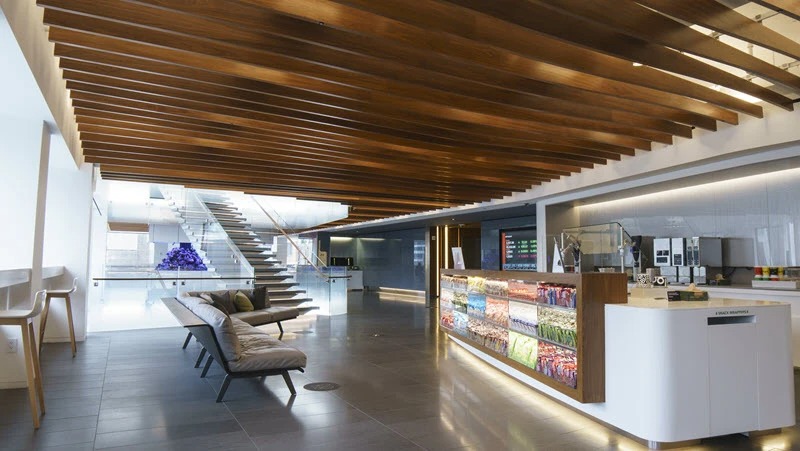
Bloomberg
New York, NY
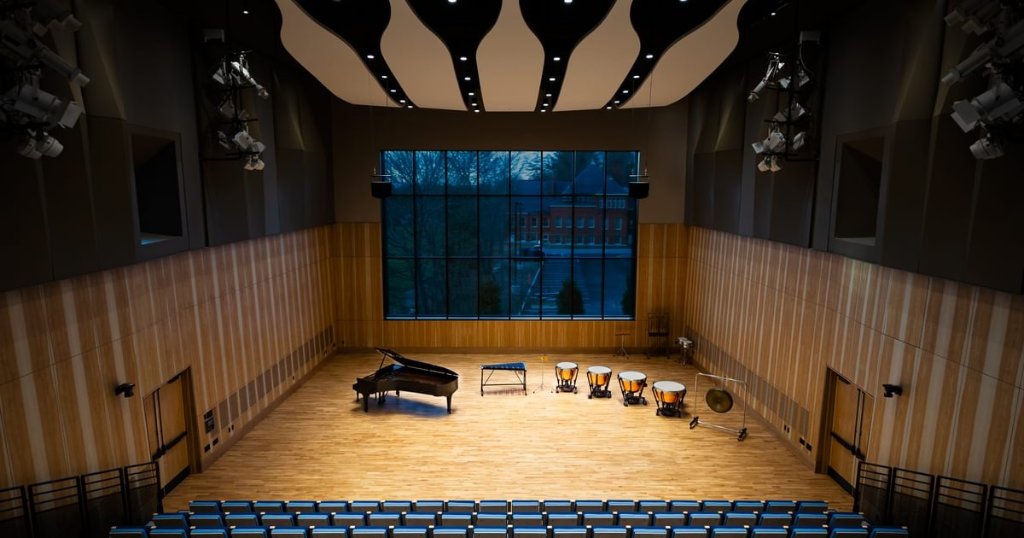
Falls Music Center
Andover, MA

HSBC Hudson Yards
New York, NY

Hub Bassett
Madison, WI

Obama Presidential Center
Chicago, IL
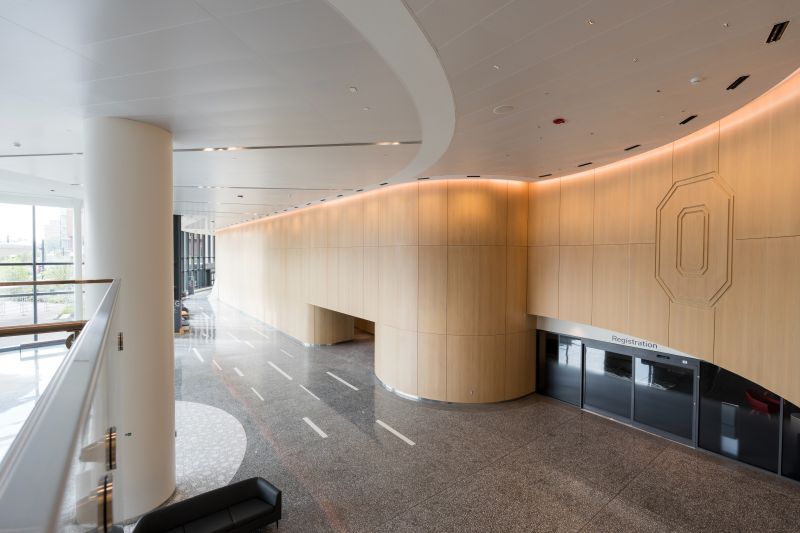
OSU Wexner Medical Center
Columbus, OH

Spring Quarter Tower
Atlanta, GA
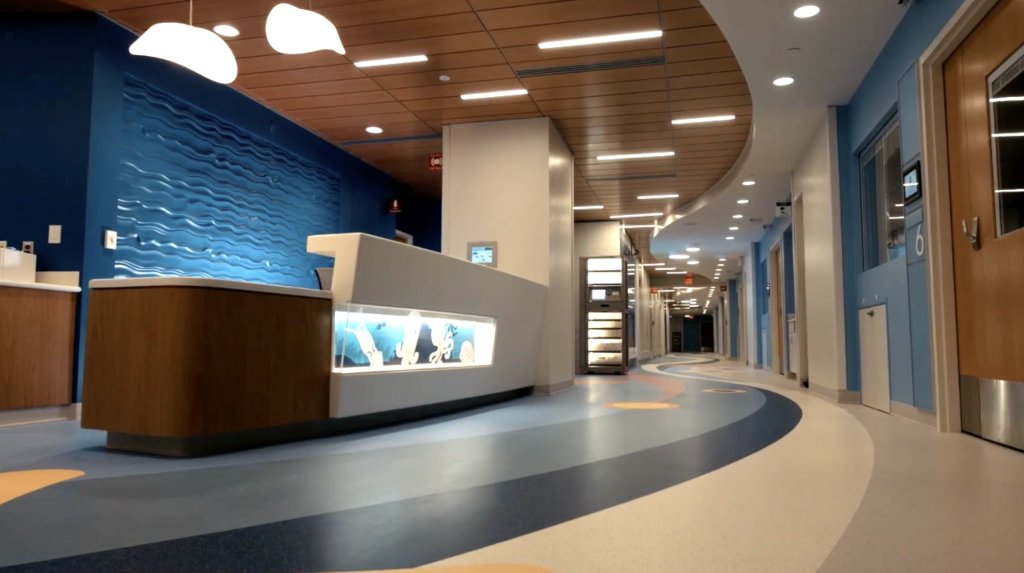
St Judes Childrens Hospital
Memphis, TN
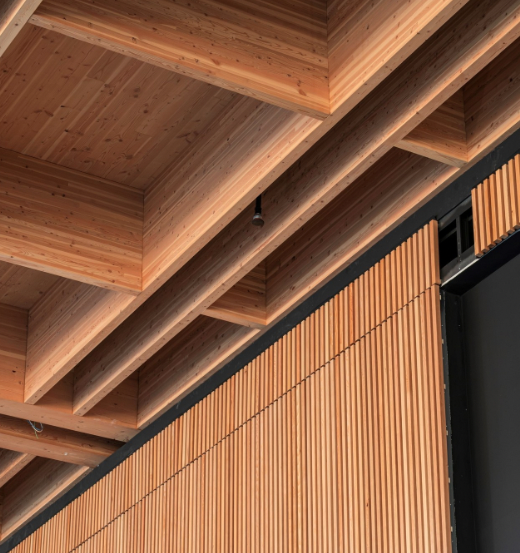
YLW Airport
Keowna, BC Canada
Built for millworkers.
Trusted by the best in the business.
Stop guessing. Start monitoring.
See how CLīMIT helps millworkers protect their installations, their warranties, and their reputation.