Resinous floors fail when conditions are wrong.
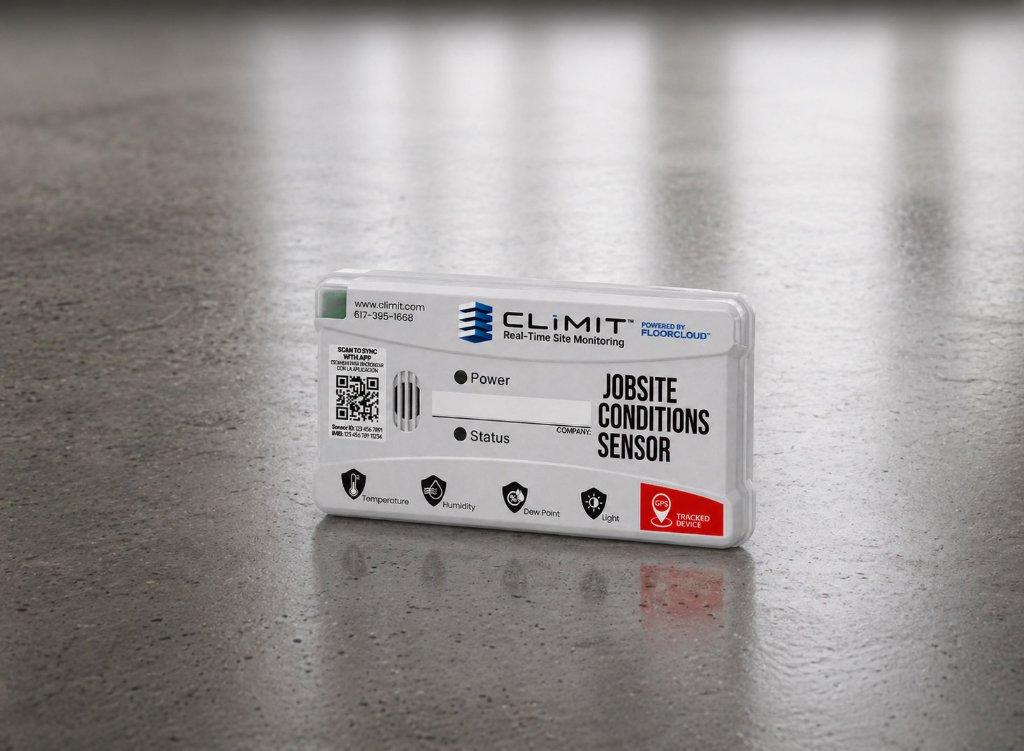
Epoxy, polyurethane, polyaspartic, and MMA systems are among the most condition-sensitive products in commercial construction. Temperature, humidity, and dew point all determine whether your system bonds, cures, and performs. CLīMIT monitors all three continuously so you apply with confidence and close out with documentation.
Every resinous failure traces back to one of two factors.
Temperature drives the chemical reaction. Moisture determines whether the system bonds. Get either one wrong and no amount of surface prep or application skill can save the floor.
Ambient & Substrate Temperature
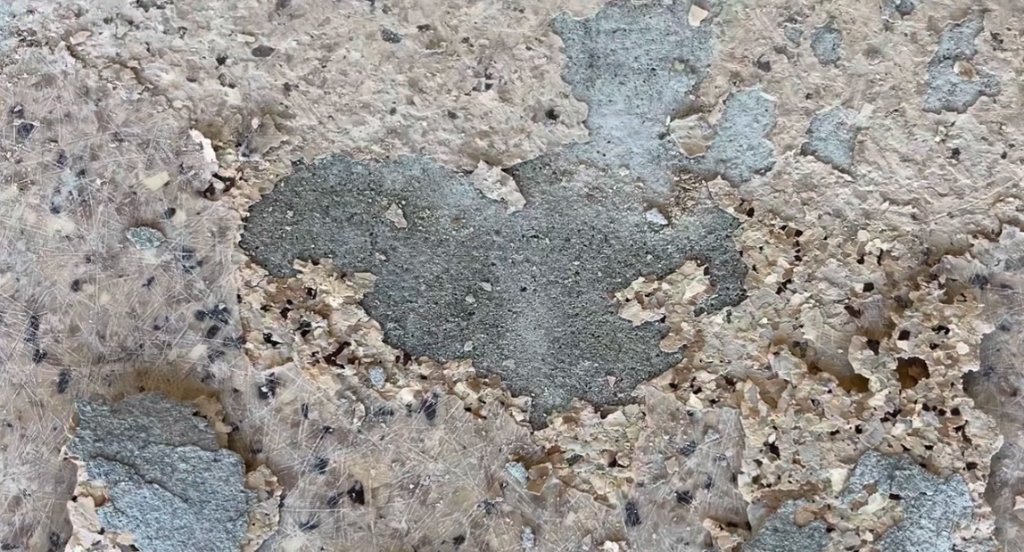
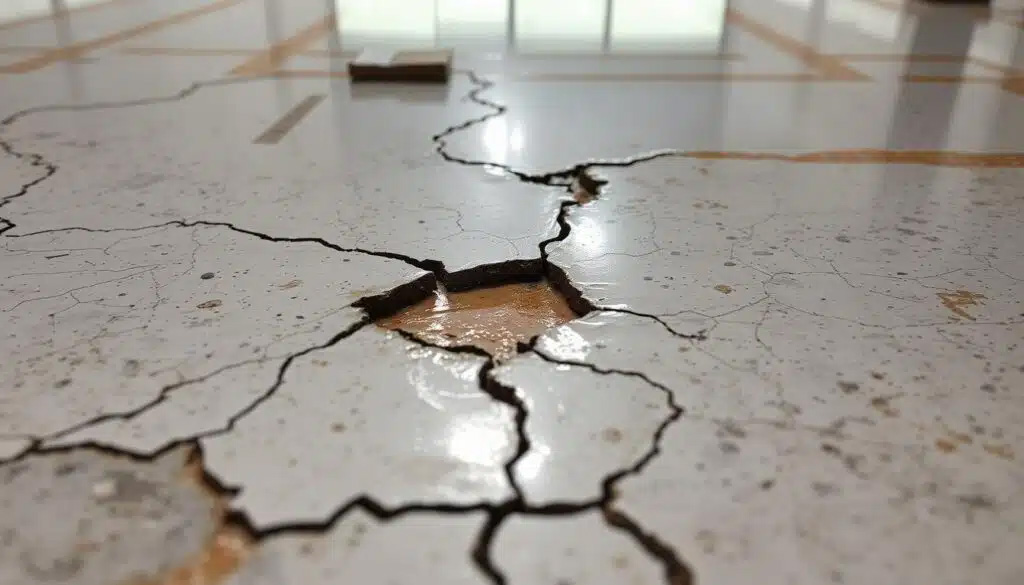
Resinous flooring systems including epoxies, polyurethanes, polyaspartics, and methyl methacrylates are among the most temperature-sensitive products applied in commercial construction. Every component of a resinous system, the resin, the hardener, and the substrate, must be within a defined temperature range for the chemical reaction to proceed correctly. Too cold and the system under-cures, leaving a soft, tacky, or delaminated surface. Too hot and it flashes off before it can be worked, trapping air, causing pinholes, and creating a surface that looks fine but fails within months.
Common Failure Modes
Typical Manufacturer Requirements
* Always verify specific requirements with your product manufacturer's technical data sheet.
Relative Humidity & Dew Point
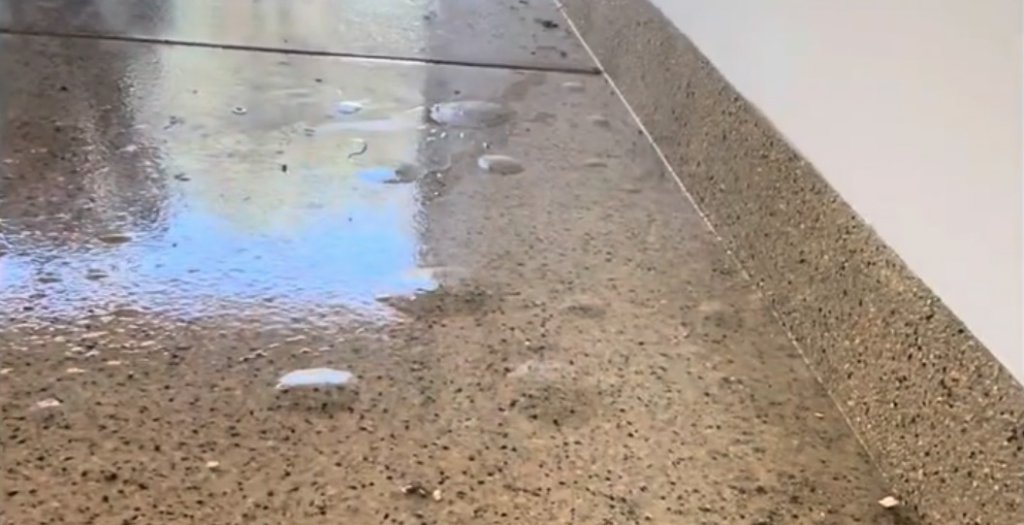
Moisture is the most common cause of resinous flooring failure. High ambient relative humidity introduces moisture vapor into the uncured resin, causing blushing, cloudiness, and adhesion loss in epoxy systems. When the substrate surface temperature is at or below the dew point, invisible condensation forms on the slab before you even open the pail. Applying any resinous material over a surface with condensation results in immediate bond failure. This is not a workmanship issue. It is a conditions issue that only monitoring can prevent.
Common Failure Modes
Typical Manufacturer Requirements
* Always verify specific requirements with your product manufacturer's technical data sheet.
The cost of applying in the wrong conditions.
Full System Removal and Reinstallation
A failed resinous floor cannot be patched. The entire system must be mechanically ground off the slab, the concrete profiled again, and the full system reapplied. This typically costs 2 to 3 times the original installation price.
Voided Manufacturer Warranty
Every major resinous manufacturer requires documented proof that ambient temperature, substrate temperature, relative humidity, and dew point were within spec at the time of application. Without that data, your warranty claim is denied.
Project Schedule Disruption
Resinous floors are typically one of the last trades on a project. A failed installation delays every downstream finish, pushes the owner move-in date, and exposes you to liquidated damages.
Liability Without Documentation
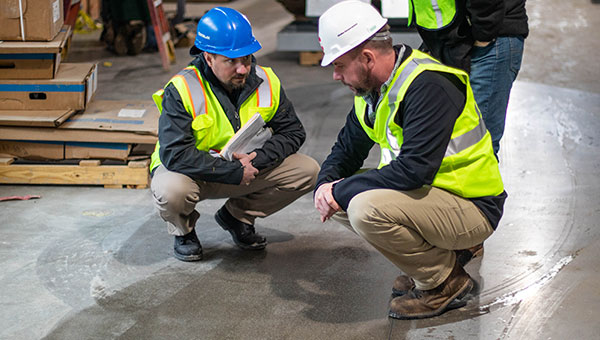
When a floor fails, the GC and owner will look for someone to blame. Without timestamped condition logs proving that you applied within spec, all liability defaults to the applicator regardless of actual cause.
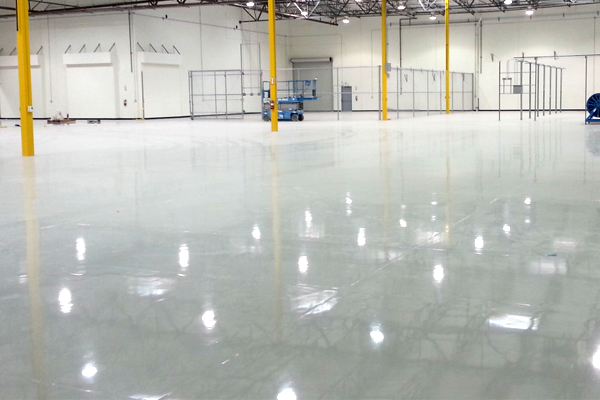
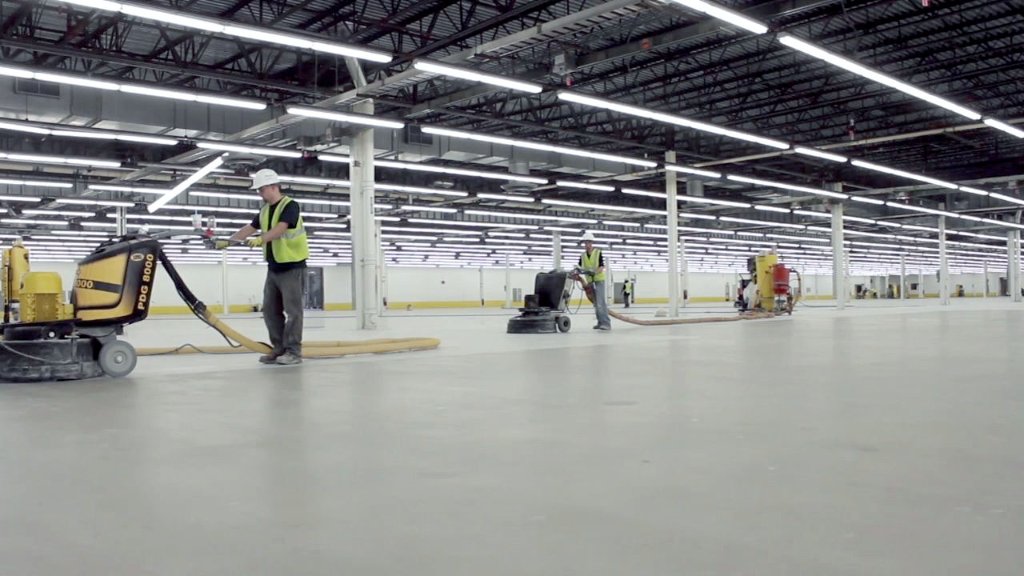
An extra layer of protection. Improving epoxy floor coating QC.
Know your conditions. Protect your system.
Defend your warranty.
Apply with confidence. Close out with proof.
See how CLīMIT helps resinous contractors document conditions, protect warranties, and eliminate the most common cause of system failure.