Terrazzo demands perfect conditions.
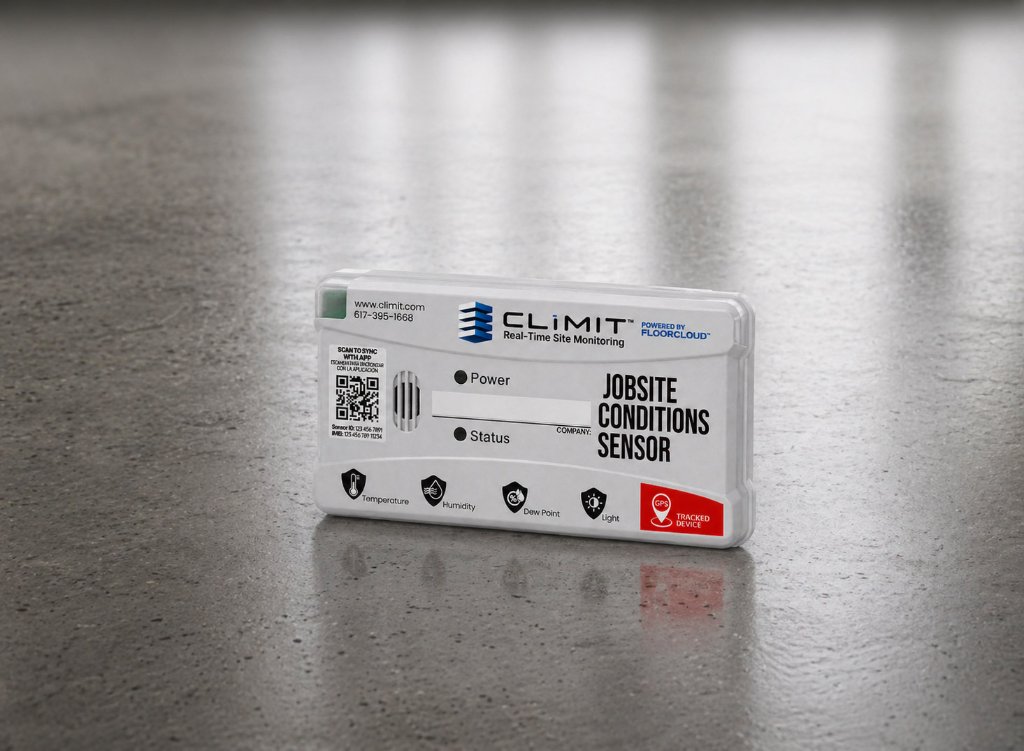
Epoxy, cementitious, and polyacrylate terrazzo systems are among the most craftsmanship-intensive and condition-sensitive installations in commercial construction. Temperature, humidity, and dew point all determine whether your matrix bonds, cures, and finishes to specification. CLīMIT monitors all three continuously so you apply with confidence and close out with documentation.
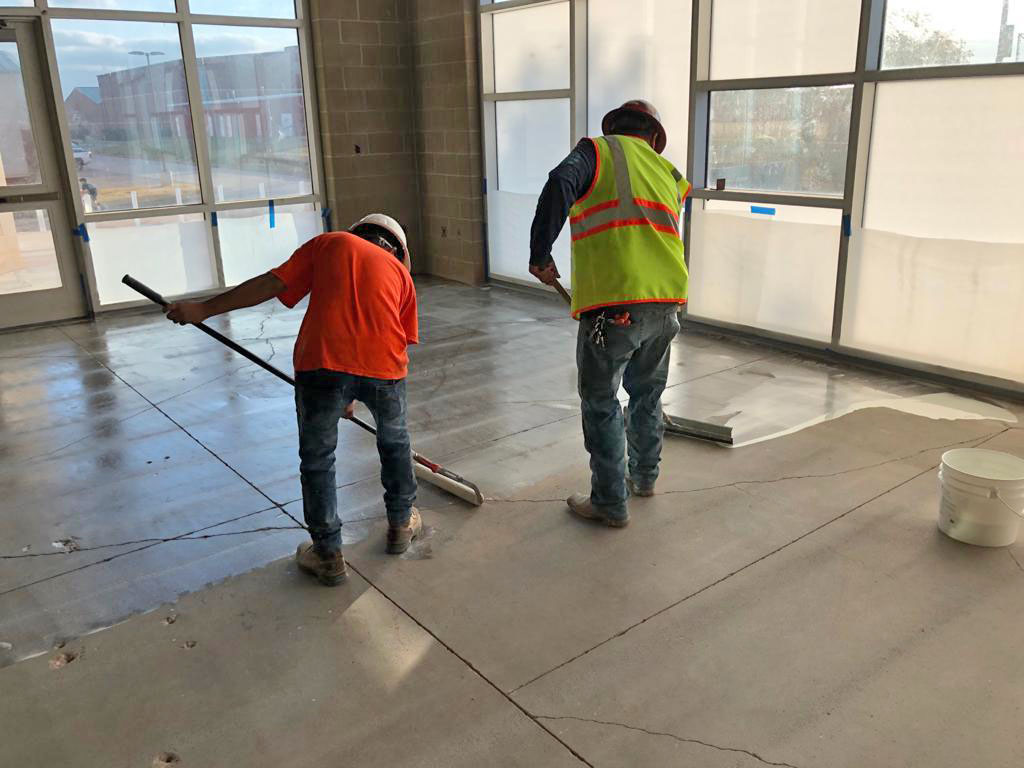
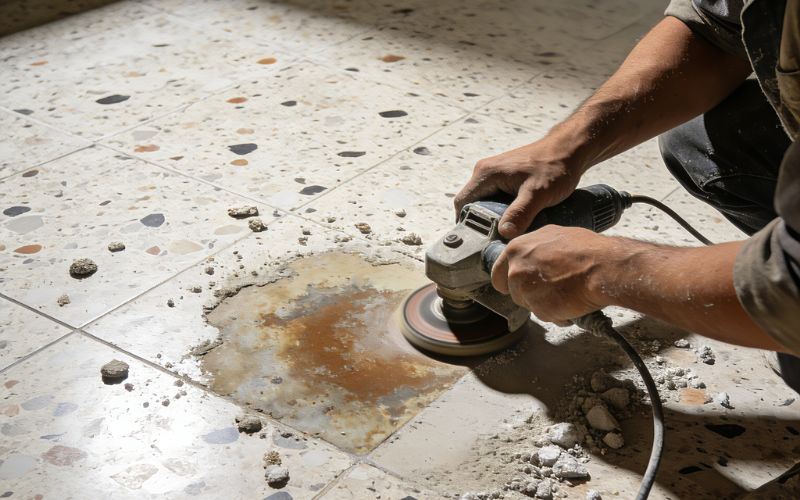
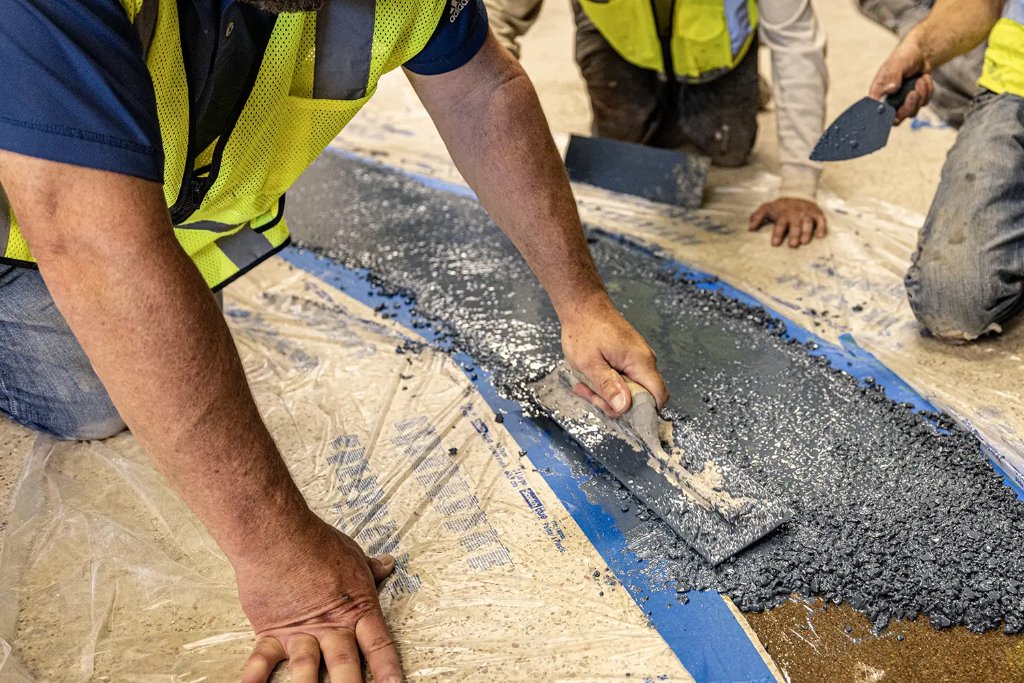
Every terrazzo failure traces back to one of two factors.
Temperature governs the chemical and hydration reactions that determine strength and workability. Moisture determines whether the system bonds to the substrate. Get either one wrong and no level of craftsmanship can prevent failure.
Ambient & Substrate Temperature
Terrazzo, whether epoxy-based, cement-based, or polyacrylate-modified, is highly sensitive to temperature during installation and curing. For epoxy terrazzo, the resin and hardener must be within a defined temperature window to achieve proper viscosity, workability, and cure rate. Too cold and the system becomes thick and unworkable, trapping air and preventing proper chip seating and surface leveling. Too warm and the pot life shortens dramatically, causing the matrix to set before the chips can be broadcast and the surface worked. For cementitious terrazzo, temperature governs the hydration process. Cold temperatures slow or halt cement hydration, leaving a weak, powdery surface. Hot conditions cause rapid moisture loss that produces surface cracking, crazing, and bond failure at the divider strips.
Common Failure Modes
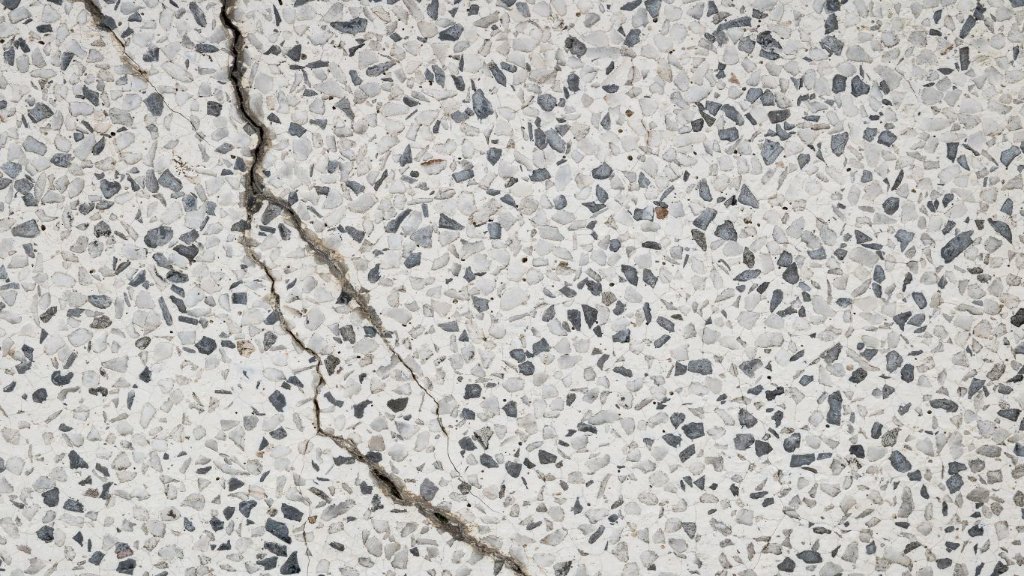
Typical Manufacturer Requirements
* Always verify specific requirements with your product manufacturer's technical data sheet.
Relative Humidity & Dew Point
Moisture is one of the most damaging variables in terrazzo installation. For epoxy terrazzo, high ambient humidity introduces moisture into the uncured resin system, causing blushing, cloudiness, and loss of bond. When the slab surface temperature is at or below the dew point, condensation forms invisibly on the substrate before the matrix is applied, creating an immediate adhesion failure that will not reveal itself until grinding and polishing expose the delaminated layer. For cementitious terrazzo, excess moisture migration from the slab can disrupt the cement hydration and cause delamination from the substrate. Too little moisture in very dry conditions causes cementitious systems to lose water too quickly, preventing full hydration and resulting in a weak, friable surface.
Common Failure Modes
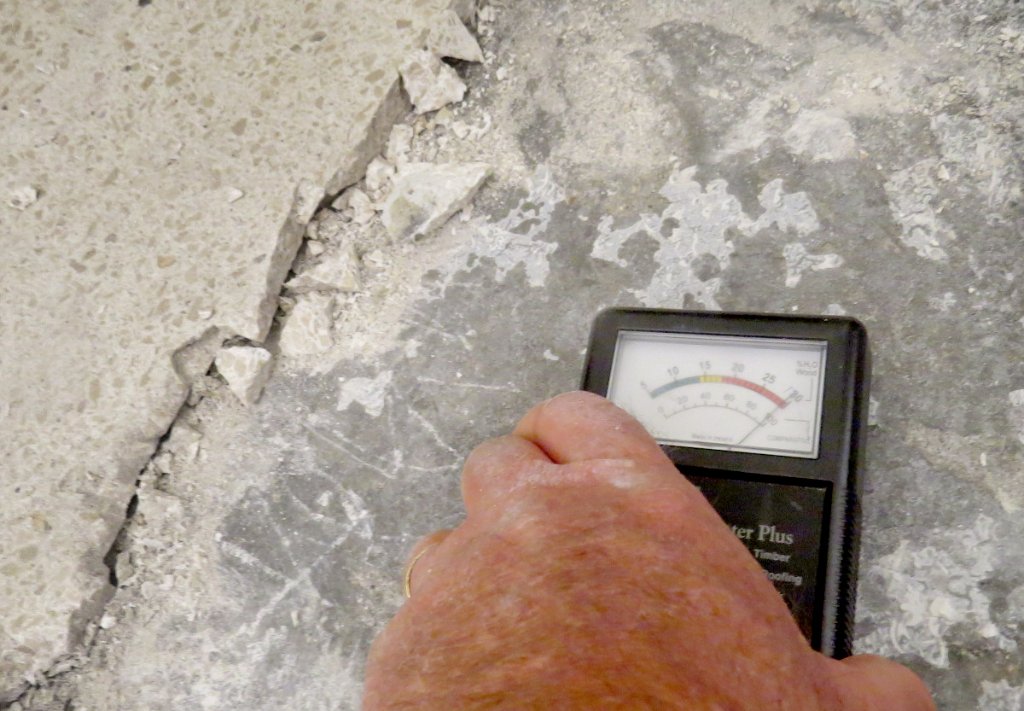
Typical Manufacturer Requirements
* Always verify specific requirements with your product manufacturer's technical data sheet.
The cost of applying in the wrong conditions.
Full Removal and Reinstallation
A delaminated or failed terrazzo surface cannot be patched. The entire panel must be ground out, the substrate re-profiled, and the full system reapplied. This typically costs 2 to 4 times the original installation and often requires custom chip matching that adds additional lead time.
Voided Manufacturer Warranty
Terrazzo matrix manufacturers require documented proof that ambient temperature, substrate temperature, relative humidity, and dew point were all within spec at the time of application and throughout the cure period. Without that data, no warranty claim is honored.
Project Schedule Impact
Terrazzo is a finish-critical trade installed near the end of a project. A failed installation delays grinding, polishing, and final sealing, pushing every downstream trade and the owner move-in date, often triggering liquidated damages.
Undefendable Liability
When terrazzo fails, the GC and owner demand answers. Without timestamped environmental logs proving conditions were within spec at every stage, all liability defaults to the terrazzo contractor regardless of the actual root cause.
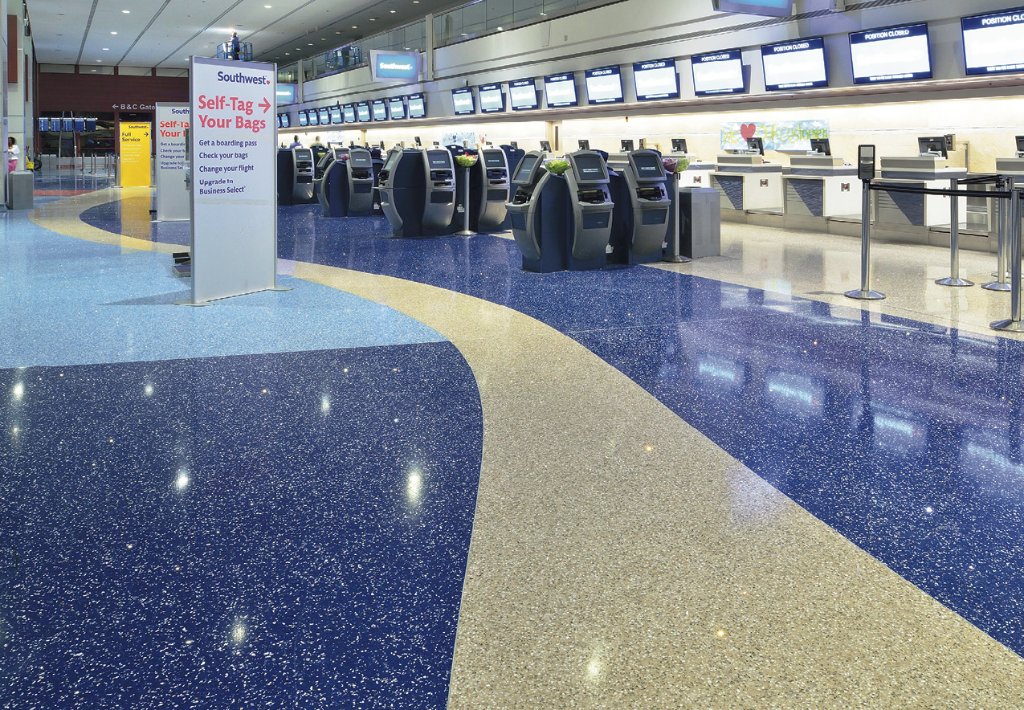
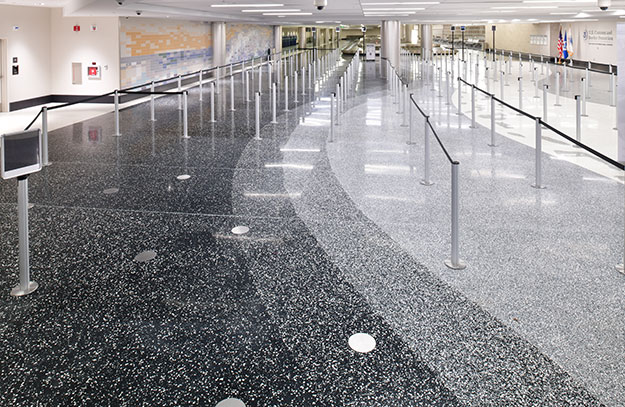
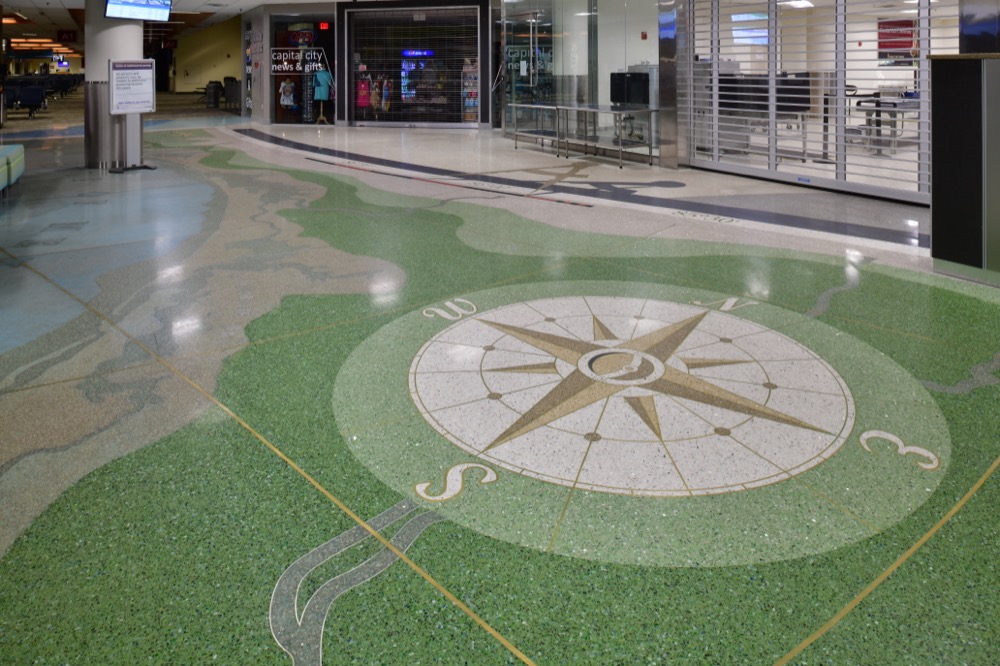
Terrazzo projects across North America.
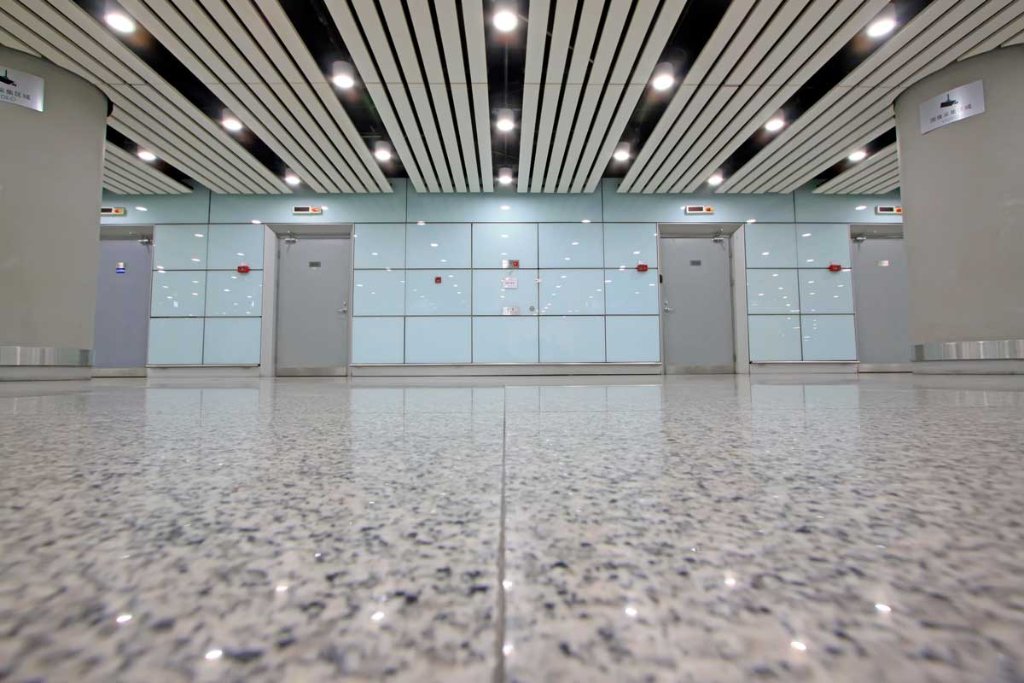
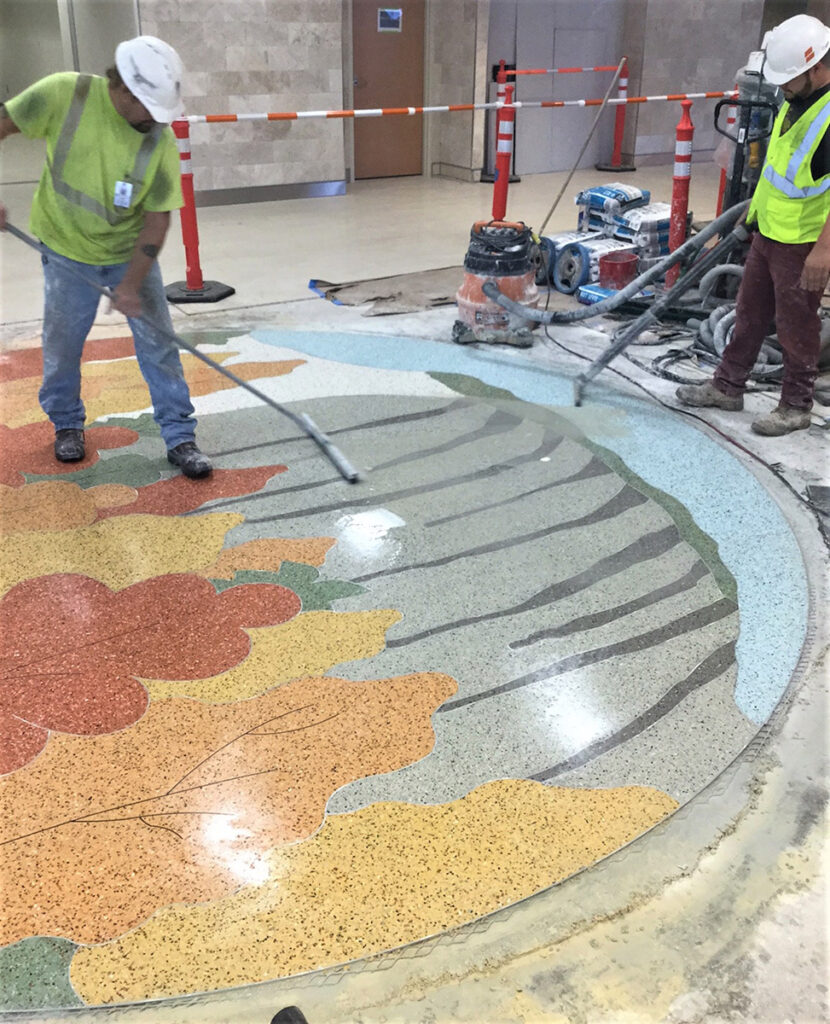
Know your conditions. Protect your system.
Defend your warranty.
Apply with confidence. Close out with proof.
See how CLīMIT helps terrazzo contractors document conditions, protect warranties, and eliminate the most common cause of system failure.