The right floor starts with the right conditions.
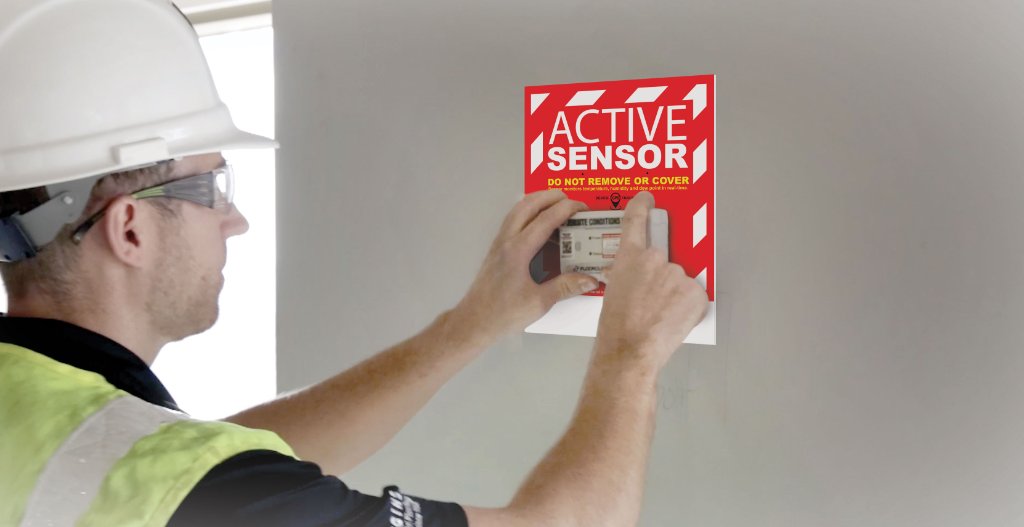
Temperature, humidity, and dew point silently determine whether your flooring installation succeeds or fails. CLīMIT monitors them all, continuously, so you always know before you install.
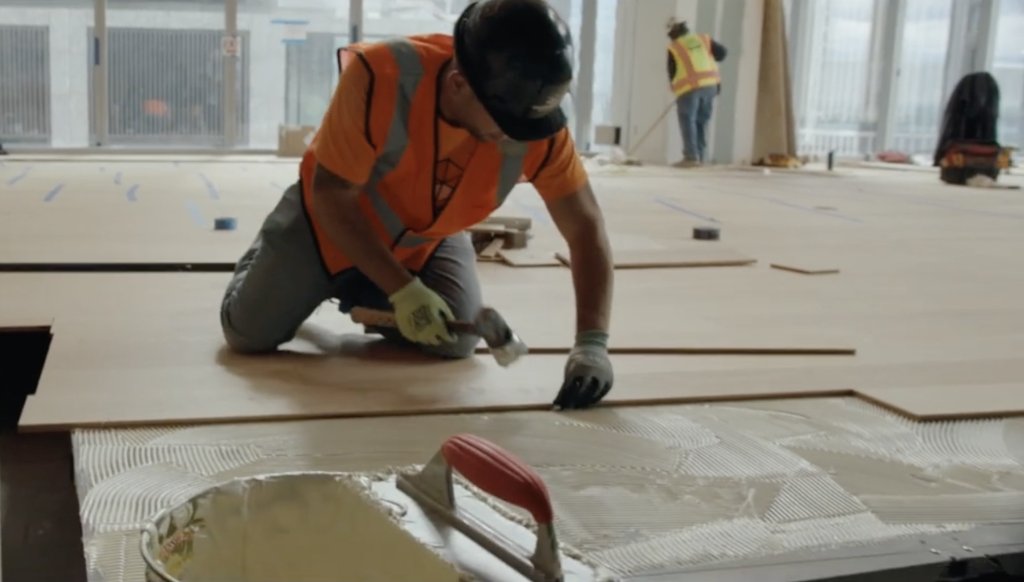
Hudson Yards - New York, NY
"The great thing about Climit is it's giving you information in real-time!"
Ken Hurd
Founder & CEO, Commercial Interior Resources
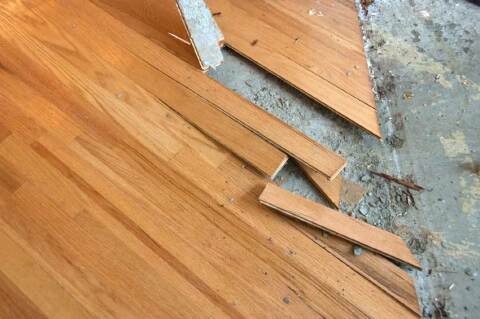

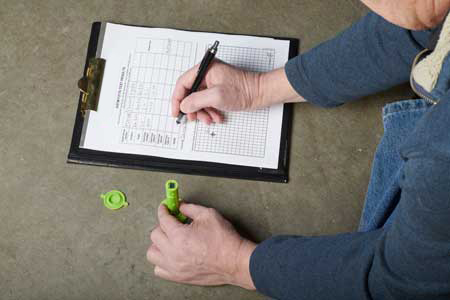
Every flooring failure traces back
to one of these three factors.
Most contractors check the thermometer before installing. The best ones monitor all three conditions, continuously, and have the data to prove it.
Temperature
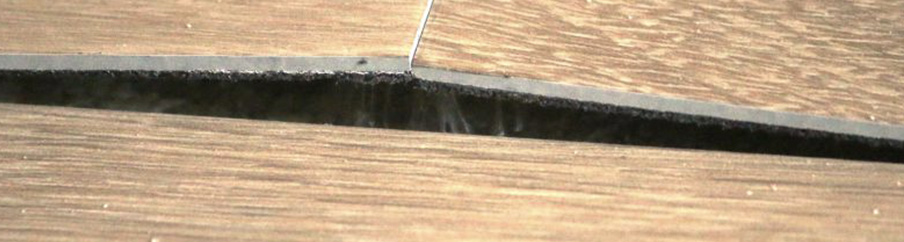
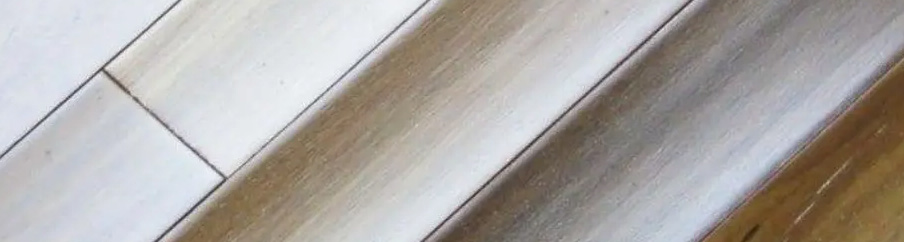
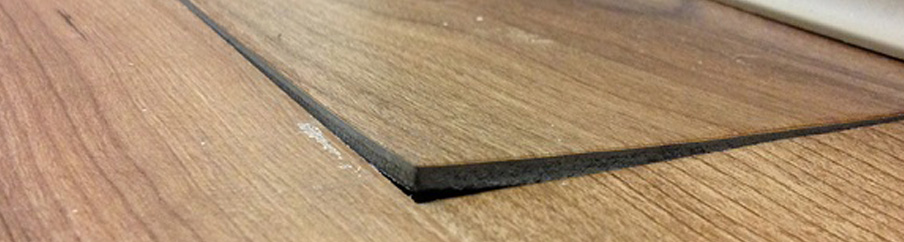
Temperature extremes cause flooring materials to expand, contract, and fail. LVT and LVP are especially sensitive, expanding significantly in heat and contracting in cold, leading to buckling, gapping, and adhesive failure when conditions fall outside manufacturer ranges.
Common Failure Modes
Typical Manufacturer Ranges
* Always verify the specific requirements in your product's technical data sheet.
Relative Humidity
Ambient relative humidity is the #1 environmental factor in flooring failures. Humidity causes wood to swell or shrink, adhesives to lose tack, and moisture-sensitive products to fail. Manufacturers require RH to be maintained not just at install time, but for the full acclimation window before and after.
Common Failure Modes
Typical Manufacturer Ranges
* Always verify the specific requirements in your product's technical data sheet.
Dew Point
Dew point is the temperature at which moisture in the air condenses on surfaces. If a subfloor or slab surface temperature is at or below the dew point, invisible condensation forms, instantly compromising adhesive bonds and surface prep. Most contractors don't check it. Most failed installations wish they had.
Common Failure Modes
Typical Manufacturer Ranges
* Always verify the specific requirements in your product's technical data sheet.
What's at stake when you don't monitor.
Costly Callbacks
Callbacks cost 3–5x the original installation. Flooring failures from improper conditions are almost always the contractor's responsibility, regardless of installer skill.
Voided Warranties
Every major flooring manufacturer explicitly voids warranty coverage when conditions fall outside spec. Without documentation, you have no defense, even if you did everything right.
Material Waste
Flooring installed in wrong conditions often can't be salvaged. Material waste from a single failed job can wipe out the margin from several successful ones.
Reputation Damage
Clients don't blame the environment. They blame the contractor. One high-profile failure can cost you more in referrals than the job itself was worth.
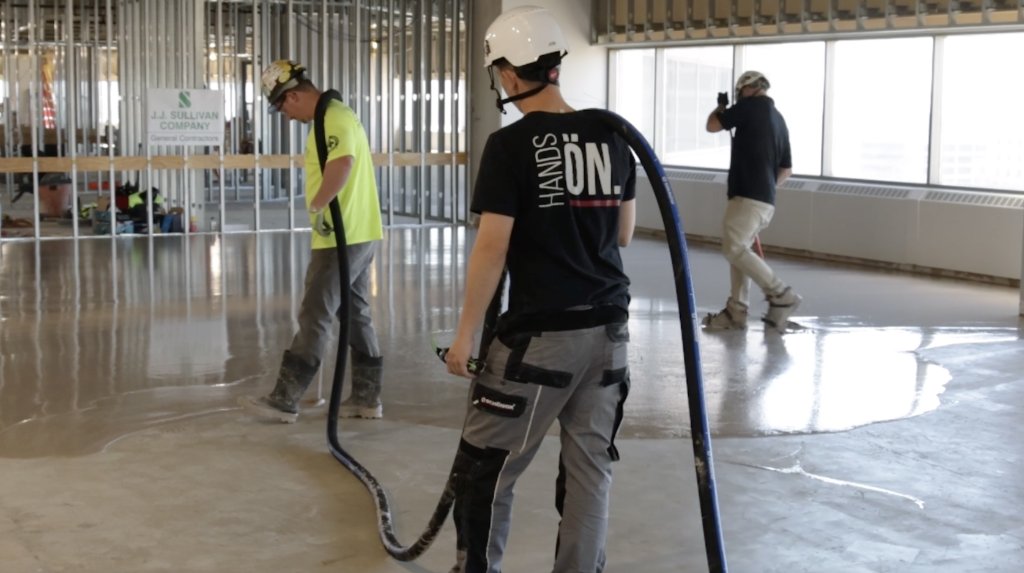
Smooth, Flat, and Dry.
Children's Healthcare of Atlanta - Atlanta, GA
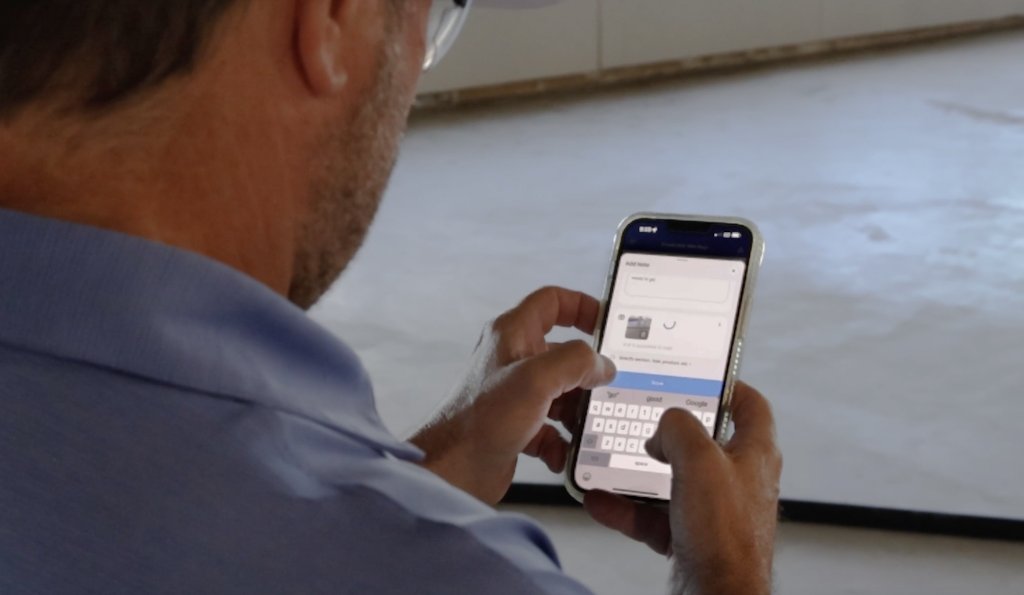

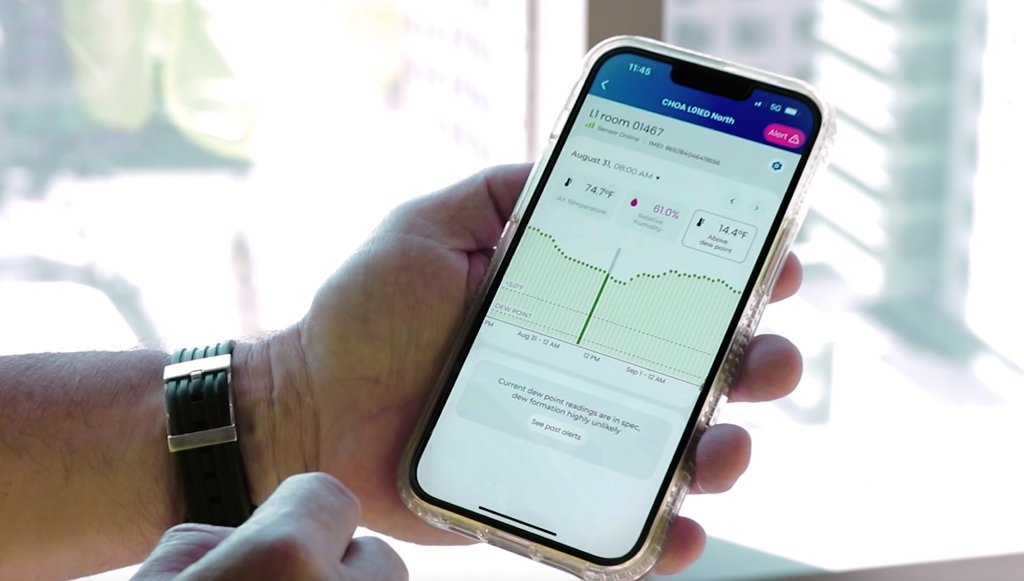
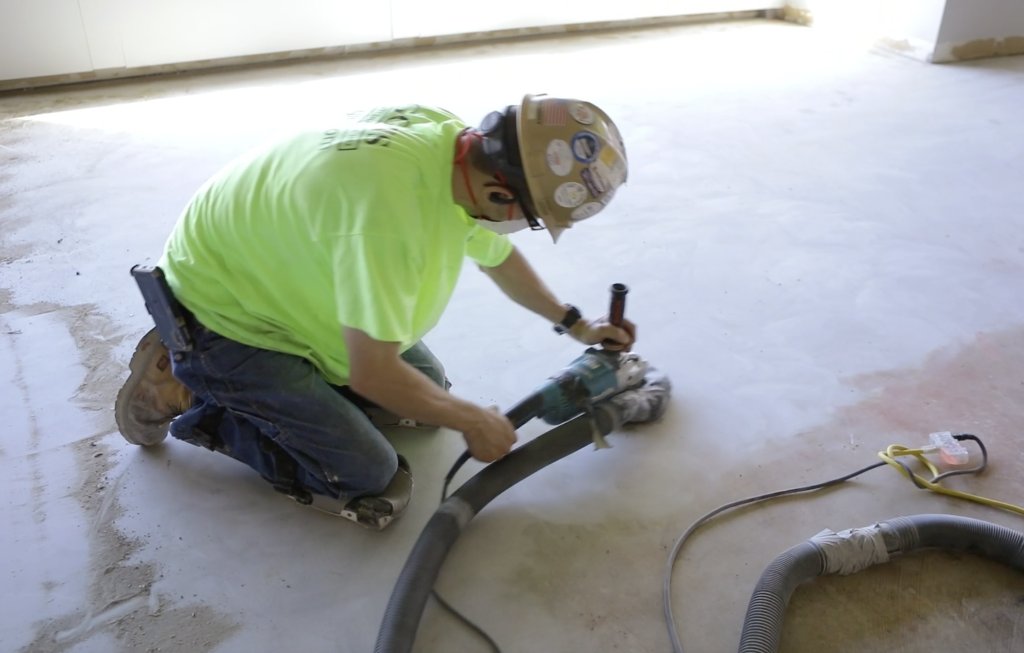
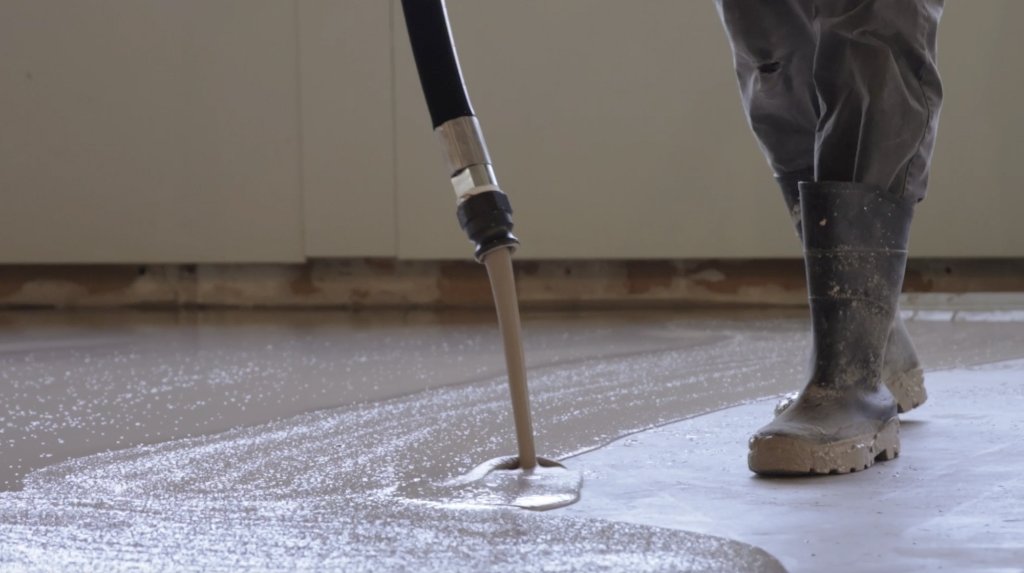
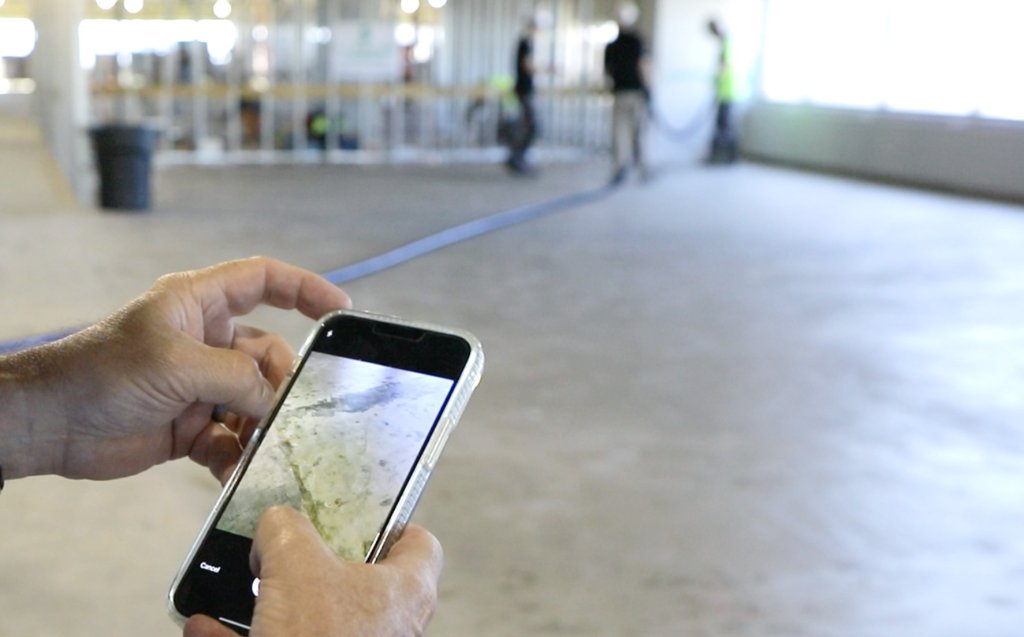
Brings control and consistency to jobsites
Built for flooring contractors.
Trusted by the best in the business.
Stop guessing. Start monitoring.
See how CLīMIT helps flooring contractors protect their installations, their warranties, and their reputation.
Trusted Specification Database Partners
Powered by an industry specification database ensuring your products stay within manufacturer specs.


































Explore by project type